Mastering the Geometric Pattern: A Comprehensive Guide to Digital Design Assets
In the rapidly evolving landscape of digital design, Geometric Pattern assets have become indispensable tools for creators ranging from hobbyist scrapbookers to professional graphic designers. These visually striking designs are not merely decorative; they serve as foundational elements that can elevate a project from ordinary to extraordinary. Whether you are looking to create planner stickers, design intricate invitations, or develop brand identities, understanding how to effectively utilize Geometric Pattern resources is crucial for achieving polished, professional results.
This guide explores the specific attributes of high-quality digital geometric papers, their diverse applications, and the practical considerations every creator should keep in mind when selecting and using these assets. By focusing on the tangible benefits and real-world uses of Geometric Pattern files, we aim to provide a resource-driven overview that helps you make informed decisions for your creative projects.
Understanding the Core Specifications of Digital Geometric Papers
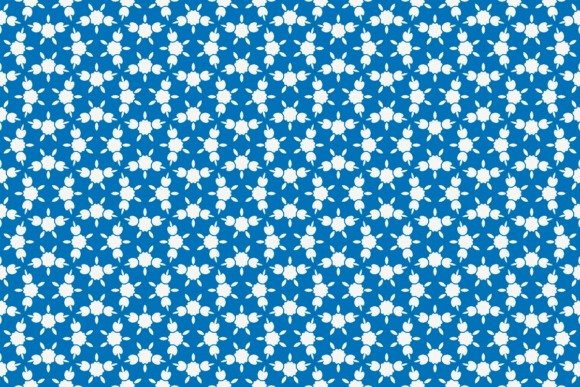
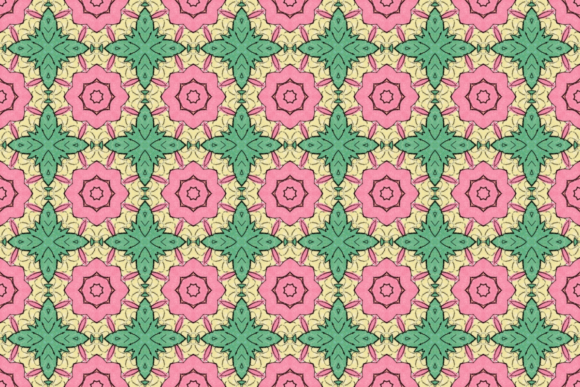
When searching for digital design assets, specifications matter more than aesthetics alone. The quality of a file determines its versatility and longevity in your workflow. A premium set of Geometric Pattern digital papers typically comes with precise technical standards that ensure compatibility across various software platforms and printing methods. For instance, a standard high-resolution set often includes files sized at 1200 × 800 pixels, formatted in PNG, and rendered at 300 dpi.
Let’s break down why these specific metrics are vital for your projects:
- Resolution (300 dpi): Dots per inch (dpi) refers to the number of individual dots of ink placed within a linear inch. A resolution of 300 dpi is considered the industry standard for print-quality graphics. When working with Geometric Pattern designs, this ensures that lines remain sharp and edges stay crisp, preventing pixelation when the image is scaled up for physical prints like business cards or fabric swatches.
- Format (PNG): Portable Network Graphics (PNG) is a preferred format for digital patterns due to its support for transparency and lossless compression. Unlike JPEGs, which can introduce artifacts around complex shapes, PNG preserves the integrity of the Geometric Pattern details. This is particularly important for planners and cardmakers who may need to overlay these patterns onto other images without visible background boxes.
- Dimensions (1200 × 800 pixels): While modern screens vary, this aspect ratio provides a versatile canvas that fits well within standard document layouts, web headers, and social media graphics. It offers enough detail to be visually engaging while remaining lightweight enough for quick loading times online.
By adhering to these specifications, creators ensure that their Geometric Pattern assets are ready for both digital display and high-fidelity physical production.
Diverse Applications Across Creative Industries
The beauty of Geometric Pattern assets lies in their adaptability. Because geometry is a universal visual language, these patterns resonate across different demographics and industries. Below, we explore several key areas where these digital papers shine.
Stationery and Paper Crafts
For enthusiasts of analog creativity, Geometric Pattern digital papers are a goldmine. They are perfect for:
- Planner Stickers: Creating custom stickers requires small, repeatable designs. High-resolution geometric patterns allow crafters to cut out tiny squares, triangles, or hexagons that add structure and color to daily planning spreads.
- Scrapbooking and Collages: When documenting memories, plain white backgrounds can feel sterile. Layering Geometric Pattern textures behind photos adds depth and visual interest without overpowering the central subject.
- Invitations and Cardmaking: Weddings, birthdays, and corporate events often demand a cohesive theme. Geometric motifs convey modernity, precision, and elegance. Using digital papers allows designers to print invitations on specialized stock, ensuring the pattern looks stunning in hand.
Digital Media and Web Design
In the digital realm, Geometric Pattern assets serve as powerful background elements. Web designers frequently use them to:
- Create subtle textures for website backgrounds that reduce eye strain compared to solid colors.
- Design hero banners for landing pages, where clean lines guide the user’s eye toward call-to-action buttons.
- Generate social media graphics that stand out in crowded feeds. The repetitive nature of geometric shapes creates a sense of rhythm that captures attention quickly.
Furthermore, businesses can incorporate these patterns into email newsletters and digital brochures to maintain brand consistency. A well-chosen Geometric Pattern can reinforce a company’s identity as organized, innovative, and forward-thinking.
Physical Product Manufacturing
Beyond paper and screen, Geometric Pattern designs are increasingly used in product manufacturing. Small business owners selling home decor items, such as throw pillows, wall art, or curtains, often rely on high-dpi digital papers to test print prototypes. Similarly, those involved in fabric printing use these patterns to create custom textiles for fashion accessories or interior design projects. The 300 dpi standard ensures that when the digital file is transferred to a printer or cutting machine, the final product matches the digital preview accurately.
Evaluating Suitability: Strengths and Considerations
While Geometric Pattern assets offer numerous advantages, it is essential to approach their usage with a critical eye. Not every pattern fits every project, and understanding the limitations can save time and resources.
Strengths of Geometric Designs
The primary strength of geometric patterns is their versatility. They pair well with almost any color palette and can be easily tinted or adjusted in editing software. Additionally, they provide a sense of structure. In chaotic design environments, geometric shapes bring order and balance. They are also highly scalable; because they are often vector-based or high-resolution raster images, they can be resized without significant loss of quality, making them ideal for everything from business cards to billboards.
Considerations and Limitations
However, there are factors to consider. First, complexity management is key. Some geometric patterns are dense and busy. If used as a full-page background for text-heavy documents, they may reduce readability. Creators must carefully balance the intensity of the Geometric Pattern with the content it supports. Overlaying a semi-transparent solid color layer can help mitigate this issue.
Second, licensing and usage rights vary by provider. Always review the terms associated with a specific set of digital papers. Some licenses restrict commercial use, meaning you cannot sell products made with the pattern directly. Others may require attribution. Understanding these constraints protects your business from legal complications.
Finally, consider the theme alignment. While geometric patterns are modern, certain styles (such as brutalist or minimalist) appeal to different audiences. Ensure the specific style of the Geometric Pattern aligns with the tone of your project. A playful, colorful geometric pattern might work well for a children’s party invitation but could feel inappropriate for a formal legal letterhead.
Practical Tips for Maximizing Value
To get the most out of your Geometric Pattern assets, consider adopting the following practices:
- Create Variations: Use editing software to change the hue, saturation, or brightness of the pattern. A single set of Geometric Pattern digital papers can yield dozens of unique looks by simply adjusting the color profile to match seasonal trends or brand guidelines.
- Mix Textures: Combine geometric patterns with organic textures, such as watercolor washes or linen overlays. This juxtaposition adds tactile depth and prevents the design from feeling too rigid or cold.
- Test Print Before Mass Production: Even with 300 dpi files, monitor colors do not always translate perfectly to print. Always run a small test print to check how the Geometric Pattern renders on your chosen material, whether it is glossy photo paper, matte cardstock, or fabric.
- Organize Your Library: As you accumulate different sets of digital papers, organize them by color, complexity, or style. A well-categorized library makes it easier to find the right Geometric Pattern quickly during tight deadlines.
Conclusion
The integration of Geometric Pattern digital papers into your creative workflow offers endless possibilities for innovation and expression. From enhancing the visual appeal of personal planners to driving engagement in digital marketing campaigns, these assets provide a reliable foundation for high-quality design. By understanding the technical specifications, exploring diverse applications, and mindful consideration of limitations, creators can harness the full potential of geometric design.
Whether you are a seasoned professional or a beginner exploring the world of digital crafts, investing in high-quality Geometric Pattern resources is a step toward producing work that is not only aesthetically pleasing but also functionally robust. Embrace the precision and beauty of geometry, and let it transform the way you visualize and execute your projects.