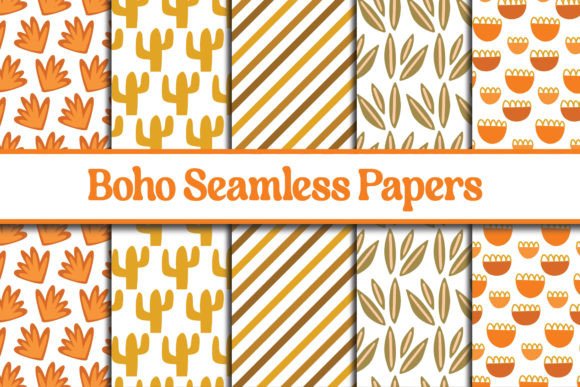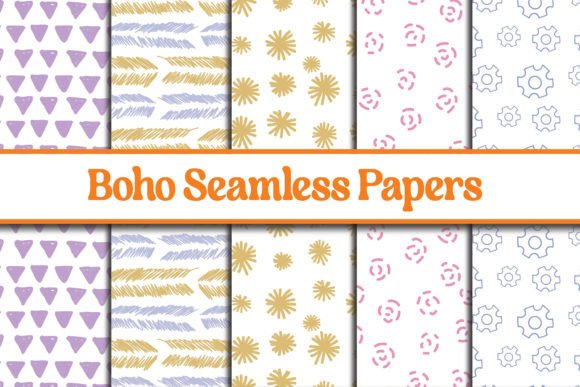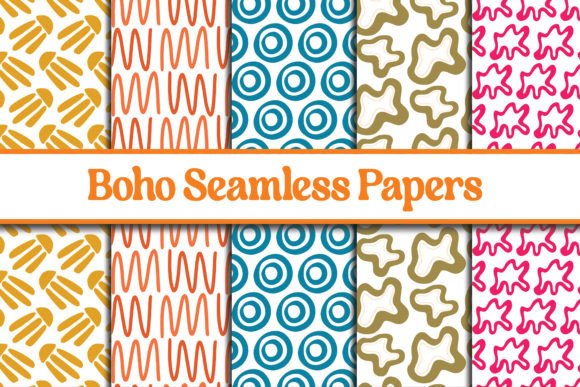
Boho Seamless Digital Papers Design
In the landscape of digital content creation, visual consistency is not merely an aesthetic choice; it is a structural necessity. Whether you are designing a brand identity for a small business, curating a mood board for interior design, or organizing your personal life with digital planners, the foundation often lies in the background textures and patterns that support the primary content. This is where Boho Seamless Digital Papers Design becomes a critical asset in your workflow. These designs provide the underlying texture and color palette that can elevate a project from amateur to professional without requiring advanced graphic design skills.
The term "boho" refers to bohemian style, characterized by eclectic influences, natural elements, earthy tones, and artistic freedom. When translated into seamless digital papers, these characteristics become repeatable, tileable assets that fit perfectly into various software environments. For professionals and hobbyists alike, having access to a high-quality bundle of these patterns allows for rapid prototyping and consistent branding across multiple touchpoints. The specific collection described—featuring five distinct formats, editable layers, and print-ready specifications—offers a versatile toolkit that bridges the gap between creative inspiration and technical execution.
Integration into Creative Workflows
Understanding how to integrate these digital assets requires looking at the lifecycle of a creative project. Most workflows involve three distinct phases: planning, production, and distribution. Boho seamless patterns play a role in each stage, though their function shifts depending on the context.
Planning Phase: Before any final design is created, creators often engage in mood boarding and concept development. High-resolution digital papers allow designers to quickly test color harmonies and textural combinations. Instead of sourcing physical samples, which can be time-consuming and expensive, a designer can drag and drop these 300dpi images into their preferred software to visualize how a warm terracotta or soft sage green pattern interacts with typography and photography. This immediate feedback loop accelerates decision-making and reduces the likelihood of costly revisions later in the process.
Production Phase: During the actual creation of assets, the utility of seamless patterns expands. Because the files are provided in editable formats, they are not static backgrounds. A user can adjust opacity, blend modes, or even modify individual vector elements within the pattern if the file structure permits. This flexibility is crucial for maintaining brand consistency. For instance, a freelancer creating a series of social media graphics can use one base pattern but tweak the hue slightly to differentiate between posts while maintaining a cohesive look. The ability to edit ensures that the asset adapts to specific client needs rather than forcing the creator to adapt their vision to rigid templates.
Distribution Phase: Once the design is complete, the output medium dictates the requirements for the source file. The fact that these images are 300dpi and sized at 12 x 12 inches (3600 x 3600 pixels) ensures they meet the rigorous standards of both digital and print media. For web use, the high resolution allows for crisp display on retina screens, while for print applications like fabric printing or invitations, the pixel density prevents blurriness or pixelation upon scaling. This dual-purpose quality eliminates the need to purchase separate low-res and high-res versions, streamlining inventory management for digital sellers and simplifying asset libraries for buyers.
Practical Use Cases Across Industries
The versatility of this bundle stems from its broad applicability. It is not limited to a single niche but serves as a foundational element for diverse industries. Here is how different professionals might utilize these resources in their daily operations.
- E-commerce and Retail: Small business owners selling handmade goods, such as candles, jewelry, or apparel, often struggle with creating unique product photography backdrops. Using Boho seamless papers as digital backdrops saves time on physical set construction. Furthermore, these patterns can be applied directly to packaging designs, ensuring that the unboxing experience aligns with the brand’s aesthetic. The seamless nature of the paper means it can wrap around boxes or labels without visible seams, providing a polished, custom look.
- Event Planning and Hospitality: For event coordinators, the demand for personalized stationery is high. Invitations, save-the-dates, menu cards, and place settings all benefit from the organic feel of boho designs. By using these digital papers, planners can create custom letterheads and stationary that match the theme of a wedding or corporate retreat. The ability to print at home or send files to a professional printer offers flexibility in budgeting and timeline management.
- Digital Product Creation: There is a thriving market for digital planners, sticker sheets, and printable art. Creators who produce these items on platforms like Etsy rely heavily on background textures to make their products visually appealing. A bundle of five boho patterns provides enough variety to create a full month’s worth of planner backgrounds or a diverse sticker pack. Since the files are editable, creators can add their own icons or text overlays, transforming generic patterns into proprietary assets that drive sales.
- Interior Design and Home Décor: While primarily digital, these assets have tangible applications. Interior designers can use them to create mockups for clients, showing how a specific wallpaper or fabric pattern would look in a room. They can also be used to create custom phone wallpapers or tablet skins, extending the boho aesthetic into the user’s daily digital environment. This cross-platform consistency reinforces personal branding for influencers and lifestyle bloggers.
Technical Considerations for Quality Control
When integrating digital assets into a professional workflow, technical specifications are paramount. The details provided in this bundle—specifically the 300dpi resolution and 12x12 inch dimensions—are not arbitrary. They represent industry standards that ensure usability across different platforms.
Resolution and Scalability: 300 dots per inch (dpi) is the gold standard for print. If you are designing a business card, a flyer, or a fabric swatch, starting with a lower resolution image will result in jagged edges or blurry textures when printed. By using 300dpi sources, you future-proof your designs. Even if you initially intend to use the pattern only on the web, starting with high-quality assets allows you to pivot to print media later without needing to recreate the work. The 3600 x 3600 pixel dimension provides ample canvas space for detailed editing, ensuring that no detail is lost during manipulation.
File Format and Editability: The inclusion of editable formats is a significant value-add. Many digital paper bundles come as flat JPEGs or PNGs, which limits their use to simple background placement. Editable files, often in PSD (Photoshop) or AI (Illustrator) formats, allow for layer-based adjustments. You can change colors to match a specific brand guideline, remove unwanted elements, or combine multiple patterns to create a new, unique texture. This level of control is essential for maintaining consistency in larger projects where slight variations in color tone can disrupt the overall visual harmony.
Seamless Tiling: The core feature of these papers is their seamless nature. In practical terms, this means the pattern repeats infinitely without visible breaks. When designing for web graphics or large-format prints like murals, this is crucial. Non-seamless patterns require complex masking and cropping to hide the joints, which is inefficient and prone to error. With true seamless tiles, you can fill an entire screen or wall with confidence, knowing the pattern will flow naturally. This efficiency saves hours of manual adjustment and reduces the cognitive load on the designer.
Optimizing Your Asset Library
To get the most out of Boho Seamless Digital Papers Design, organization is key. As digital creators accumulate more assets, finding the right texture at the right time can become a bottleneck. It is recommended to categorize these patterns by color palette or texture type. For example, group earthy tones together for rustic projects and brighter rainbow hues for festive occasions. Tagging files with metadata related to their intended use—such as "wedding," "planner," or "branding"—can significantly speed up retrieval times.
Additionally, consider creating a master template file. Set up a document with guides and margins pre-configured for common outputs like Instagram posts, A4 documents, or business cards. Save your favorite boho patterns as swatches or library assets within your design software. This integration allows you to apply textures with a single click, ensuring consistency and reducing repetitive tasks. Over time, this habit transforms a collection of individual files into a streamlined system that supports efficient, high-quality output.
Ultimately, the value of these digital papers lies in their ability to simplify the creative process. They remove the barrier of starting from a blank canvas, allowing you to focus on composition, messaging, and strategy. By leveraging high-quality, editable, and versatile assets, you can enhance the professionalism of your work, whether you are crafting a delicate invitation or building a robust digital brand presence. The investment in such resources pays dividends in saved time, improved consistency, and elevated visual impact.