Evaluating the Versatility of Watercolor Flower Backgrounds for Creative Projects
In the realm of digital design and physical crafting, the choice of background imagery can define the entire aesthetic of a project. Among the myriad options available to designers, artists, and hobbyists, Watercolor Flower Background assets have emerged as a staple for those seeking an organic, soft, and elegant visual foundation. These digital papers are not merely decorative elements; they serve as versatile canvases that can elevate everything from professional business cards to intimate wedding invitations. Understanding the specific characteristics, technical specifications, and practical applications of these backgrounds is essential for making informed creative decisions.
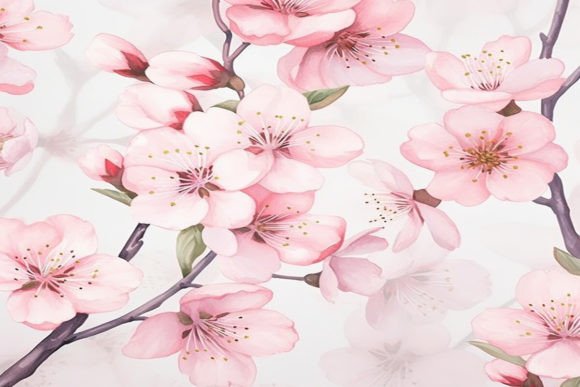
The core appeal of a watercolor flower background lies in its ability to mimic the unpredictable beauty of hand-painted art while providing the consistency required for digital workflows. Unlike vector graphics, which offer sharp, geometric precision, watercolor textures introduce subtle variations in pigment density, edge bleeding, and color blending. This imperfection is precisely what makes them distinct. When evaluating a Watercolor Flower Background, one is often looking for that delicate balance between artistic flair and functional usability. The floral motifs typically feature soft petals, gentle gradients, and muted or vibrant palettes that evoke a sense of nature without overwhelming the primary content placed upon them.
Technical Specifications and File Integrity
Before diving into creative applications, it is crucial to understand the technical framework that supports high-quality digital paper sets. A standard offering in this category, such as the set described, includes 1 digital paper with dimensions of 1200 × 800 pixels. While this resolution may seem modest compared to modern 4K displays, it is carefully calibrated for print and web use cases where aspect ratios matter more than sheer pixel count. The inclusion of Jpg format ensures broad compatibility across various software platforms, from Adobe Photoshop to Canva, allowing users to import the asset without complex conversion steps.
Perhaps the most critical specification for crafters and printers is the 300 dpi (dots per inch) resolution. In the world of print media, 300 dpi is the gold standard for ensuring crisp, clear output. If a user intends to print their designs on physical materials—such as cardstock for invitations or fabric for custom garments—a lower resolution would result in pixelation and blurry edges. By providing assets at 300 dpi, the Watercolor Flower Background guarantees that the fine details of the painted flowers remain intact even when scaled down for small items like planner stickers or business cards. This technical rigor separates professional-grade digital assets from amateur stock images that may look acceptable on a screen but fail under the scrutiny of a printer.
Comparing Watercolor Textures to Other Design Elements
When selecting a background, creators often weigh the merits of watercolor florals against other popular styles, such as minimalist geometric patterns, solid colors, or photographic overlays. Each option presents different tradeoffs regarding versatility, mood, and audience perception.
- Geometric Patterns: Geometric backgrounds offer structure and modernity. They are excellent for corporate branding or tech-focused websites. However, they can feel cold or rigid. A Watercolor Flower Background introduces warmth and approachability, making it a superior choice for lifestyle brands, wellness products, or personal blogs.
- Solid Colors: Solid backgrounds provide maximum contrast for text and logos. They are highly functional but lack visual interest. Using a watercolor texture adds depth and personality without requiring additional graphic elements, effectively serving as both background and decorative accent.
- Photographic Overlays: High-resolution photos of flowers are realistic but can be distracting if not handled carefully. Watercolor illustrations abstract the subject, focusing on color and form rather than botanical accuracy. This abstraction allows the background to support the main content rather than compete with it.
The decision to choose a Watercolor Flower Background often hinges on the desired emotional resonance. If the goal is to convey elegance, nostalgia, or natural beauty, watercolor textures are unmatched. They soften the overall composition, guiding the viewer’s eye gently across the page rather than demanding attention through bold contrasts.
Practical Applications Across Industries
The versatility of a single Watercolor Flower Background extends across a wide spectrum of industries and hobbies. Its adaptability is one of its strongest selling points, allowing users to derive significant value from a single purchase or download.
Stationery and Print Design
For stationery designers, the Watercolor Flower Background is an invaluable resource. It is perfectly suited for letterhead and stationary sets, where a touch of sophistication is required. The 1200 x 800 pixel ratio works well for standard letter sizes or square greeting cards. Furthermore, its application in invitations and cardmaking is widespread. Whether designing a wedding suite or a birthday card, the soft floral tones complement typography beautifully, ensuring that names and dates remain legible while the background adds thematic context.
Digital Content and Web Graphics
In the digital space, visual appeal is paramount. A Watercolor Flower Background can transform a plain website header or blog post sidebar into an engaging visual experience. For web design and web graphics, these assets help establish a brand identity that feels human and curated. They are particularly effective for e-commerce sites selling handmade goods, beauty products, or artisanal foods. The texture adds a layer of authenticity that resonates with consumers looking for unique, non-mass-produced items.
Crafting and Scrapbooking
Physical crafters find immense utility in digital papers that can be printed at home or through local print services. The Watercolor Flower Background set is ideal for scrapbooking and creating photo albums. Users can print multiple copies on cardstock to create borders, frames, or full-page backgrounds for memory-keeping projects. Additionally, the asset is perfect for creating planner stickers and craft projects. Because the image is provided in JPG format, it can be easily cropped into various shapes and sizes using cutting machines like Cricut or Silhouette, enabling the creation of custom die-cut stickers for planners and journals.
Textile and Home Decor
For those interested in textile design, the Watercolor Flower Background offers a starting point for fabric printing. While large-scale repeats require additional tiling techniques, the base image provides a beautiful motif that can be adapted for scarves, tea towels, or cushion covers. Similarly, in the realm of home decor items, these backgrounds can be used to create custom wall art, framed prints, or decorative signs. The 300 dpi resolution ensures that when enlarged for poster-sized prints, the watercolor effects retain their painterly quality.
Evaluating Tradeoffs and Limitations
While the benefits of using a Watercolor Flower Background are numerous, it is important to acknowledge potential limitations to ensure proper usage. First, the JPG format does not support transparency. This means that if a designer needs the flowers to blend seamlessly over another image or pattern, they must manually remove the background using editing software. Vector formats (like SVG or EPS) or PNG files with alpha channels would offer more flexibility in this regard, though they are less common in simple digital paper sets.
Secondly, the fixed dimension of 1200 × 800 pixels limits direct scalability for very large print jobs. If a user needs a banner that is 4 feet wide, simply enlarging the 1200-pixel image will result in loss of quality. In such cases, the asset serves best as a source file for creating repeating patterns or as a component within a larger composite design. Designers should also consider color management. Watercolor images often contain subtle hues that may shift depending on the monitor calibration or printer ink profile. Always perform a test print before committing to a large batch of physical materials.
Decision Factors: Is This the Right Choice?
Choosing whether to utilize a Watercolor Flower Background depends largely on the specific goals of the project. It is the right choice when:
- Aesthetic Warmth is Prioritized: If the project requires a soft, inviting, and organic feel, watercolor textures are superior to harsh digital graphics.
- Versatility is Needed: If the same asset will be used across multiple mediums (digital and print), the 300 dpi JPG format provides a reliable middle ground.
- Time Efficiency is Key: Using a pre-made background saves hours of painting or sourcing individual elements. It allows designers to focus on layout and typography.
Conversely, readers might need another option if:
- Vector Scalability is Required: For logos or icons that need infinite scaling, vector-based floral illustrations are more appropriate.
- High Contrast is Essential: For data-heavy dashboards or technical manuals, a plain or grid background is more functional than a busy floral pattern.
- Specific Branding Colors are Mandatory: If a brand has strict color guidelines, a generic watercolor background may not match the palette without extensive editing.
In conclusion, the Watercolor Flower Background represents a thoughtful intersection of art and utility. By understanding its technical parameters—such as the 1200 × 800 pixel size and 300 dpi resolution—and its diverse applications ranging from business cards to scrapbook albums, creators can leverage this asset to enhance their projects with elegance and professionalism. It stands out not just as a decorative element, but as a foundational tool for anyone looking to add a touch of natural beauty to their digital or physical creations.