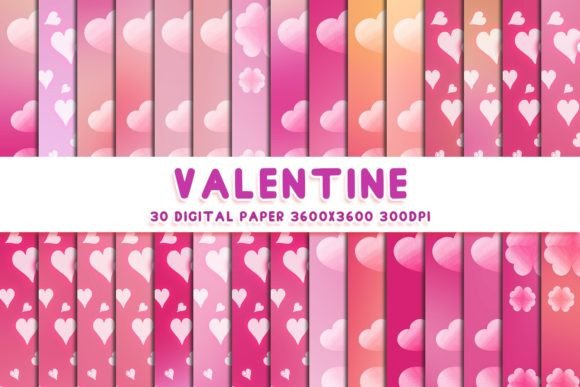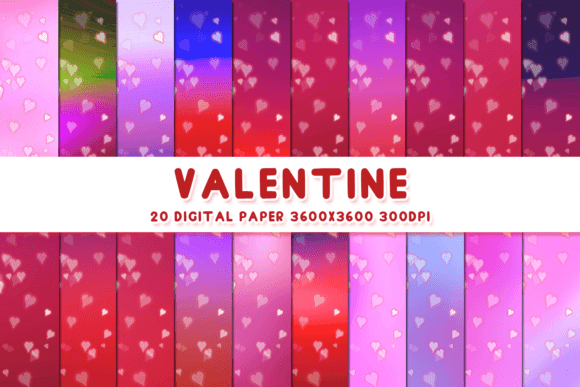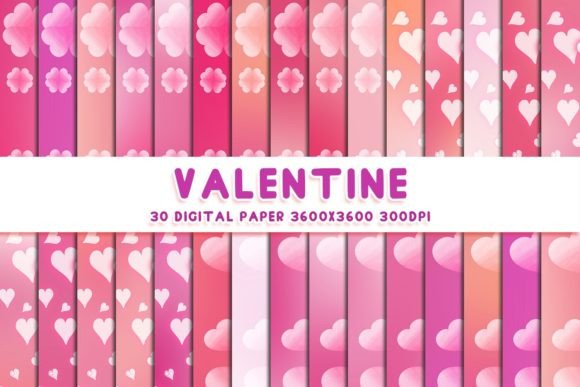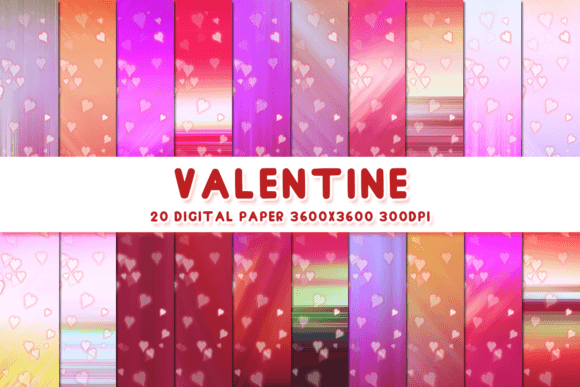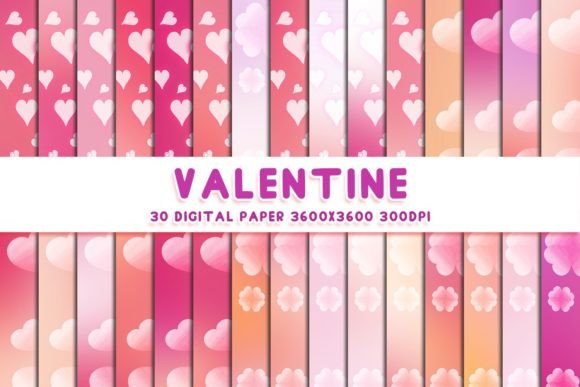
Heart Valentine Digital Papers 117: A Practical Guide to Avoiding Common Design Pitfalls
When you are looking for a versatile design asset, the search often leads you to digital paper bundles. Among these, Heart Valentine Digital Papers 117 stands out as a robust collection intended for a wide array of creative applications. It is not merely a set of background images; it is a foundational tool for creators who need reliable, high-quality textures and patterns to elevate their projects. Whether you are a seasoned graphic designer or a small business owner just starting your e-commerce journey, understanding how to properly evaluate and utilize this bundle can save you time, money, and frustration.
The market is saturated with low-resolution assets that look pixelated when scaled up. This is where the technical specifications of Heart Valentine Digital Papers 117 become critical. With files sized at 3600×3600 pixels (12×12 inches) at a high resolution of 300 DPI, this bundle is engineered for print-ready quality. However, simply having access to these files does not guarantee success. Many users overlook the nuances of file management, licensing, and application suitability, leading to subpar results. Let us explore what this bundle offers and, more importantly, how to avoid the common mistakes that plague new users.
Understanding the Scope and Versatility
At its core, Heart Valentine Digital Papers 117 is a digital paper bundle designed to support diverse business needs. The inclusion of 30 JPG files provides a substantial variety of options, allowing for consistency across different product lines while offering enough variation to keep designs fresh. The format is universally compatible, which is why it is frequently recommended for:
- Print-on-Demand Products: T-shirts, mugs, pillows, blankets, and phone cases.
- Stationery and Paper Goods: Book covers, invitations, business cards, and printable planners.
- Digital Marketing Assets: Social media backgrounds, blog headers, and email newsletter footers.
- Branding Elements: Logos, product packaging, and website textures.
The versatility of this bundle lies in its resolution. Because each image is 300 DPI, it meets the standard requirement for professional printing. If you are designing a mug wrap or a large poster, these dimensions ensure that the heart-themed patterns remain crisp and clear. For digital use, such as social media posts, the 12×12 inch size is more than sufficient for high-definition displays on modern smartphones and tablets.
Common Mistakes When Using Digital Paper Bundles
Even with high-quality assets like Heart Valentine Digital Papers 117, errors in execution can detract from the final output. One of the most frequent misunderstandings involves the assumption that all digital papers are created equal in terms of color profile. While JPG is a convenient format, it does not always preserve the exact color fidelity required for certain printing processes. Users often expect screen colors to match print colors perfectly without accounting for CMYK conversion issues. To avoid this discrepancy, always check if your printer requires specific color profiles and consider using color-proofing software before sending files to print.
Another significant pitfall is scaling. While 3600×3600 pixels is a generous size, it is not infinite. Some creators attempt to stretch these images to cover massive billboards or extra-large banners. When you scale beyond the original pixel dimensions, even by a small margin, you introduce compression artifacts and blurriness. Heart Valentine Digital Papers 117 is ideal for medium-to-large formats, but it is not suitable for industrial-scale signage. Stick to applications within the intended scale range to maintain visual integrity.
File organization is also an overlooked detail. Downloading 30 JPG files can quickly clutter your workspace if not managed properly. Beginners often rename files generically, making it difficult to locate specific patterns later. Establish a naming convention immediately upon download. For example, label files based on pattern type or color scheme. This practice streamlines your workflow and ensures that you can efficiently pull the right asset for a client’s project or your own inventory.
Evaluating Licensing and Usage Rights
Before incorporating Heart Valentine Digital Papers 117 into commercial products, it is essential to review the licensing agreement. Many digital paper bundles come with specific restrictions regarding resale. Some licenses allow you to use the papers as part of a larger design (such as a t-shirt graphic), while others prohibit direct resale of the digital files themselves. Misinterpreting these terms can lead to legal complications or account suspensions on platforms like Etsy or Amazon KDP.
Always read the fine print. If you are unsure, contact the seller for clarification. Understanding whether you have personal use rights, commercial use rights, or extended commercial rights will dictate how you price your products and where you can sell them. Being transparent about your usage rights builds trust with customers and protects your business from potential disputes.
Best Practices for Integration and Design
To get the most out of Heart Valentine Digital Papers 117, integrate these assets thoughtfully rather than letting them dominate the entire design. A common mistake is overusing patterns, which can create visual noise and distract from the main message or product feature. Use these digital papers as backgrounds, accents, or texture overlays. For instance, a subtle heart pattern on a business card can add a touch of personality without overwhelming the contact information.
Consider layering techniques. Combine the digital papers with solid colors, typography, or other graphical elements to create depth. This approach not only enhances the aesthetic appeal but also demonstrates a higher level of design skill. Experiment with opacity settings and blend modes in your editing software to see how the patterns interact with other elements. This experimentation can lead to unique, custom looks that stand out in a crowded marketplace.
Furthermore, test your designs in real-world contexts. Before committing to a full production run of printed materials, order proofs. Check how the colors appear on different materials, such as ceramic mugs versus fabric t-shirts. Digital screens emit light, while printed materials reflect it, leading to perceptual differences. By testing early, you can make adjustments to brightness or contrast before incurring the cost of mass production.
Conclusion
Heart Valentine Digital Papers 117 offers a valuable resource for anyone looking to enhance their creative projects with high-quality, versatile digital backgrounds. Its 300 DPI resolution and 12×12 inch dimensions make it suitable for a wide range of applications, from printables to physical merchandise. However, success depends on more than just owning the files. By avoiding common mistakes related to scaling, color management, file organization, and licensing, you can maximize the value of this bundle.
Approach your design process with intention and care. Evaluate your needs, understand the limitations and strengths of the asset, and apply best practices for integration. With Heart Valentine Digital Papers 117, you have a solid foundation; it is up to you to build something exceptional upon it. Take the time to learn the tools, respect the technical requirements, and focus on delivering quality to your audience. This disciplined approach will yield better results, higher customer satisfaction, and a more sustainable creative business.