The Strategic Value of Money Hand Gestures in Modern Digital Design and Branding
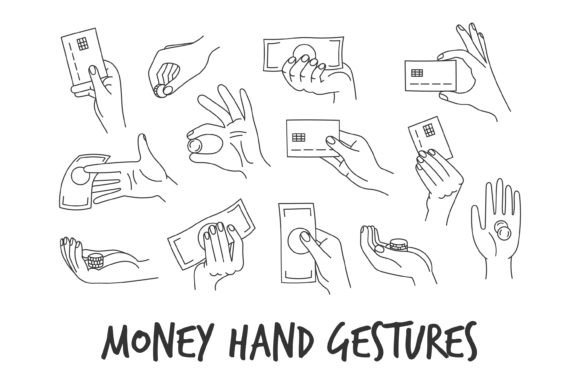
In the rapidly evolving landscape of digital marketing and graphic design, visual communication has become the primary driver of consumer engagement. Among the myriad of visual assets available to professionals, creators, and entrepreneurs, Money Hand Gestures have emerged as a powerful, versatile tool for conveying complex financial concepts with clarity and style. These illustrations are not merely decorative; they serve as critical semiotic bridges between abstract economic ideas and tangible user experiences. By leveraging hand-drawn outline icons that depict hands holding coins, bank plastic cards, banknotes, cash, and bills, designers can effectively communicate themes of finance, investment, commerce, and earnings in a way that feels both approachable and authoritative.
The shift towards vector illustration and doodle-style graphics reflects a broader trend in user interface (UI) and user experience (UX) design: the move away from sterile, corporate aesthetics toward more human-centric, relatable imagery. This article explores the significance of these specific visual elements, analyzing their role in contemporary business workflows, marketing strategies, and creative projects.
Understanding the Visual Language of Wealth
At its core, the concept of Money Hand Gestures relies on the universal language of the human hand. Hands are inherently expressive, capable of signaling trust, exchange, acquisition, and generosity. When combined with symbols of currency—such as sketch hand signs with money or line hands holding coins—the resulting imagery instantly communicates value without the need for extensive textual explanation. This is particularly crucial in an era where attention spans are shrinking and information density is high.
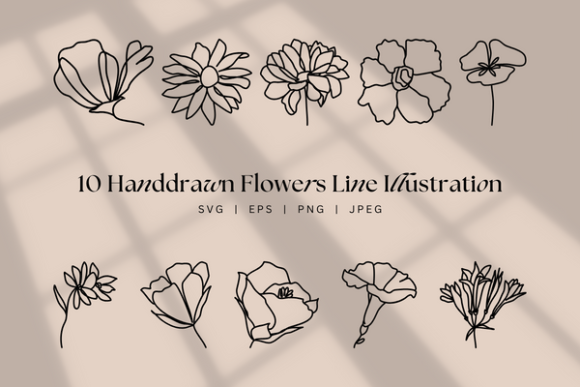
The specific aesthetic described—a collection of 13 PNG elements featuring black line art on a transparent background—offers significant flexibility. The "doodle style" or hand-drawn outline iconography introduces an element of informality and creativity that resonates well with modern audiences. Unlike rigid, photorealistic images, these sketches feel authentic and crafted, which can enhance brand perception by suggesting care, attention to detail, and a personal touch. For freelancers and small business owners, this stylistic choice helps differentiate their brand from larger, faceless corporations.
Bridging Finance and Lifestyle through Design
The application of these vector illustrations extends far beyond traditional banking interfaces. As financial literacy becomes increasingly important, there is a growing demand for educational content that simplifies complex topics. Concepts such as online banking, charity, investment, and purchase are often perceived as intimidating or dry. However, when presented through engaging, accessible doodle-style graphics, these topics become more inviting.
Consider the use case for a fintech startup launching a new budgeting app. A standard screenshot of a spreadsheet may fail to capture user interest. In contrast, a vibrant illustration of a hand holding a bank plastic card, rendered in a clean line-art style, can immediately signal ease of use and modern convenience. Similarly, for non-profit organizations promoting charity initiatives, an image of hands exchanging banknotes or holding coins can evoke feelings of community support and direct impact, fostering emotional connections with potential donors.
This versatility is why professionals across various sectors—from marketers to web developers—are integrating these assets into their workflows. The ability to seamlessly blend financial terminology with lifestyle-oriented visuals allows brands to humanize their services. It transforms the transactional nature of commerce into a relational experience, emphasizing the human element behind every payment, earning, and investment decision.
Technical Advantages for Creators and Developers
For designers and developers, the technical specifications of these assets are just as important as their aesthetic appeal. The provided package includes 13 JPG square cards with a white background, offering ready-to-use formats for quick deployment. Furthermore, the inclusion of an EPS file containing all elements ensures scalability. Vector graphics maintain their crispness at any size, making them ideal for everything from small mobile app icons to large-scale billboard advertisements.
The high resolution of 5000 x 5000 pixels at 300 dpi guarantees professional quality for print media. This is particularly relevant for businesses exploring physical marketing materials. The versatility of these files supports a wide range of applications:
- Stickers and Sublimation: The bold line art translates exceptionally well to vinyl stickers and sublimated apparel, allowing brands to create merchandise that stands out.
- Card Making and Book Covers: The artistic nature of the doodle style adds a premium feel to printed collateral, enhancing the perceived value of the product.
- Social Media and Website Design: The transparent backgrounds of the PNG elements allow for easy layering over various color schemes and layouts, ensuring consistency across digital platforms.
- Business Cards and Marketing Materials: Integrating these icons into business cards or brochures reinforces a brand’s focus on finance and commerce while maintaining a modern, creative identity.
Meeting Changing Consumer Expectations
Consumer preferences are shifting towards transparency, authenticity, and visual storytelling. In the context of e-commerce and online banking, users expect intuitive interfaces that guide them effortlessly through transactions. Visual cues play a pivotal role in this guidance. For instance, an icon depicting a hand holding a bill can serve as a clear call-to-action for payment options, reducing cognitive load and improving conversion rates.
Moreover, the rise of the gig economy and freelance culture has created a new demographic of users who manage multiple income streams and financial responsibilities. Tools and designs that reflect this complexity in a simplified manner are highly valued. The diverse range of gestures included in the Money Hand Gestures set—ranging from holding coins to displaying bankcards—allows for nuanced representation of different financial activities, catering to the varied needs of this audience.
Additionally, the emphasis on "concept design" within the asset description highlights the importance of metaphorical representation. Designers are no longer limited to literal depictions of money; they can use symbolic gestures to convey abstract ideas like growth, security, and abundance. This conceptual depth allows for more sophisticated branding strategies that resonate on an intellectual and emotional level.
Strategic Implementation in Business Workflows
Integrating Money Hand Gestures into business workflows requires a strategic approach. It is not enough to simply add icons to a website; they must be aligned with the overall brand narrative. For example, a company focused on sustainable investing might choose illustrations that emphasize stewardship and care, using hand gestures that suggest protection or nurturing of resources.
Marketers should also consider the contextual placement of these images. In blog posts discussing economic trends, line hands holding coins can break up text-heavy content, making articles more readable and engaging. In email campaigns promoting special offers, bright, clear illustrations of banknotes or discount symbols can draw the eye and encourage clicks.
Furthermore, the availability of multiple formats (PNG, JPG, EPS) facilitates collaboration between design teams and other stakeholders. Developers can easily implement the SVG or EPS versions for web scalability, while copywriters can reference the JPG previews for layout planning. This interoperability streamlines the production process, reducing time-to-market for new campaigns and products.
Conclusion: The Future of Financial Visual Communication
As we look to the future, the role of visual design in finance and commerce will only continue to expand. With the increasing digitization of everyday transactions, the need for clear, engaging, and trustworthy visual communication is paramount. Money Hand Gestures and similar vector illustration sets provide a robust solution for meeting these demands.
By combining artistic flair with functional utility, these assets empower professionals to create compelling narratives around money and value. Whether used for creating immersive digital experiences, producing high-quality print materials, or enhancing social media presence, the ability to visualize financial concepts through the lens of human interaction is a valuable asset. As businesses strive to connect with consumers on a deeper level, embracing such nuanced and expressive design elements will be key to standing out in a crowded marketplace. The convergence of technology, creativity, and commerce is best represented through these simple yet profound hand-drawn outlines, reminding us that at the heart of every transaction is a human connection.