Watercolor Poinsettia Pattern: Elevate Your Digital and Physical Creations
When it comes to festive design, few motifs capture the spirit of the season quite like the poinsettia. However, traditional clip art often feels rigid or overly commercial. This is where a Watercolor Poinsettia Pattern becomes an invaluable asset for designers, crafters, and small business owners looking to add a touch of organic elegance to their projects. Unlike vector graphics that can feel sharp and digital, watercolor textures bring depth, softness, and a handcrafted feel that resonates deeply with audiences seeking authenticity.
This specific digital asset—a set featuring high-resolution watercolor poinsettia designs—is not just a decorative element; it is a versatile tool for creative problem-solving. Whether you are designing holiday invitations, creating planner stickers, or developing brand identity materials, understanding how to leverage this pattern can transform ordinary projects into professional, polished works of art. Below, we explore what this resource entails, why it matters, and how you can implement it effectively in your workflow.
Understanding the Asset: Quality Meets Versatility
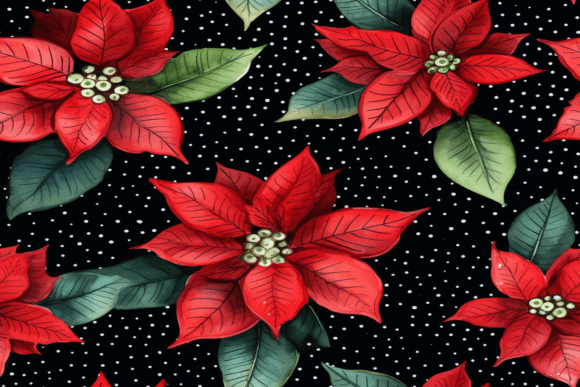
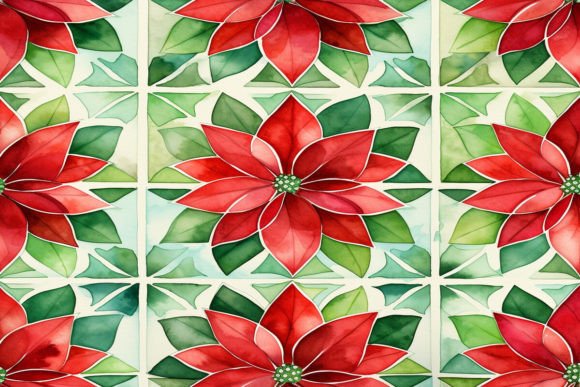
At its core, a Watercolor Poinsettia Pattern is a digital paper or texture file designed to be tiled or used as a standalone background element. The specific set described here offers significant technical advantages that make it suitable for both print and web applications. You receive one digital paper file in JPG format, sized at 1200 × 800 pixels with a resolution of 300 dpi.
Why do these specifications matter? For anyone involved in physical production, such as scrapbooking or fabric printing, 300 dpi is the industry standard for crisp, clear printing without pixelation. A size of 1200 × 800 pixels provides ample canvas space for layout adjustments while maintaining high fidelity. The JPG format ensures broad compatibility across various software platforms, from Adobe Photoshop to Canva, making it accessible regardless of your technical expertise level.
The visual appeal lies in the "watercolor" aspect. This style mimics the unpredictable flow of pigment on paper, creating soft edges and blended hues that feel warm and inviting. In a market saturated with sterile, geometric designs, this organic aesthetic stands out, offering a solution for creators who want their work to feel personal and artisanal.
Solving Common Design Challenges
Many hobbyists and professionals face similar hurdles when working with seasonal themes. One common challenge is the lack of cohesive branding during the holidays. Business owners often struggle to integrate festive elements into their corporate identity without looking unprofessional. Another frequent issue for crafters is finding resources that are high enough quality to print clearly but easy enough to use for quick turnaround projects.
A Watercolor Poinsettia Pattern addresses these pain points directly. By providing a pre-designed, high-quality texture, it removes the barrier of entry for complex illustration skills. Users do not need to paint the flowers themselves; they simply need to know how to apply the texture. This saves time and reduces frustration, allowing creators to focus on composition and messaging rather than technical execution.
Furthermore, the versatility of the pattern solves the problem of resource fragmentation. Instead of hunting for individual flower cutouts, backgrounds, and borders separately, this single asset serves multiple purposes. It acts as a background, a border element, or a textured overlay, streamlining the creative process and ensuring visual consistency across different project types.
Practical Applications and Outcomes
The utility of this digital paper extends far beyond simple decoration. Here is how different user groups can apply this resource to achieve specific outcomes:
- Planner and Journal Enthusiasts: For those who love analog planning, this pattern is perfect for creating custom stickers. Print the image on sticker paper, cut out the poinsettia motifs, and use them to decorate monthly spreads. The watercolor style adds a calming, artistic touch to organization routines, turning mundane scheduling into a creative ritual.
- Event Planners and Stationery Designers: Invitations and save-the-dates benefit immensely from textured backgrounds. Using the Watercolor Poinsettia Pattern as a backdrop allows for elegant typography placement. The soft colors ensure that text remains readable while still conveying a festive mood. This approach is ideal for wedding invitations, holiday party cards, and letterhead for seasonal business communications.
- E-commerce and Web Designers: Online retailers need to refresh their websites seasonally to drive engagement. Integrating this pattern into website headers, banner ads, or email newsletters can boost click-through rates by appealing to the viewer’s emotional connection to the holidays. It also enhances the perceived value of products sold alongside the design, such as handmade crafts or gift sets.
- Fabric and Home Decor Makers: With a resolution of 300 dpi, this file is suitable for sublimation printing on mugs, pillows, and textiles. Crafters can create cohesive home decor lines, matching table runners with placemats using the same pattern. This consistency strengthens brand recognition for small businesses selling handmade goods.
Implementation Tips for Best Results
To get the most out of your Watercolor Poinsettia Pattern, consider the following practical recommendations:
- Layering Techniques: Do not rely solely on the pattern as a flat background. Experiment with layering. Place the pattern behind semi-transparent white shapes or blend modes like "Multiply" or "Overlay" in editing software to create subtle, sophisticated effects that don’t overpower your main content.
- Crop and Isolate: While intended as a pattern, the image contains distinct floral elements. Use selection tools to isolate individual poinsettias or clusters. These isolated assets can then be resized and rearranged for collages, photo albums, or custom packaging designs, maximizing the value of the single purchase.
- Color Harmony: Watercolor patterns often feature natural color palettes. Ensure your accompanying text and graphic elements complement these tones. Gold, cream, deep reds, and forest greens typically pair well with watercolor poinsettias, enhancing the overall aesthetic cohesion.
- Print Testing: If using the 300 dpi file for physical products, always run a test print on the actual material you intend to use. Paper texture and fabric weave can affect how the watercolor details appear, so minor adjustments to contrast or brightness may be necessary before final production.
Who Benefits Most?
This resource is particularly beneficial for solopreneurs and small business owners who operate with limited budgets and time. It eliminates the need to hire expensive illustrators for seasonal campaigns. It is also ideal for educators teaching digital design basics, as it provides a tangible example of how high-resolution assets improve end-product quality.
For scrapbookers and hobbyists, the appeal lies in the ability to create museum-quality layouts at home. The pattern bridges the gap between amateur crafting and professional design, empowering users to produce results that look intentionally curated rather than hastily assembled.
Conclusion
Incorporating a Watercolor Poinsettia Pattern into your creative toolkit is more than just adding a pretty picture; it is about elevating the entire presentation of your work. Whether you are designing digital graphics for social media, printing physical stationery for clients, or crafting personal gifts for loved ones, this asset provides the quality and flexibility needed to succeed. By leveraging its 300 dpi resolution and versatile JPG format, you can solve common design challenges, save valuable time, and deliver results that resonate with your audience. Embrace the organic beauty of watercolor textures to make your holiday projects stand out with grace and professionalism.