Evaluating the Boho Geometric Pattern for Creative Projects
In the landscape of digital design and craft supplies, visual trends cycle rapidly, yet certain aesthetics achieve enduring popularity due to their versatility. The Boho Geometric Pattern represents a fusion of two distinct design philosophies: the free-spirited, organic nature of bohemian style and the structured, mathematical precision of geometric art. For designers, planners, and hobbyists, understanding this specific aesthetic is crucial before integrating it into professional or personal projects. This evaluation explores what constitutes a Boho Geometric Pattern, its practical applications, and the technical specifications that influence its usability across various media.
Understanding the Aesthetic Fusion
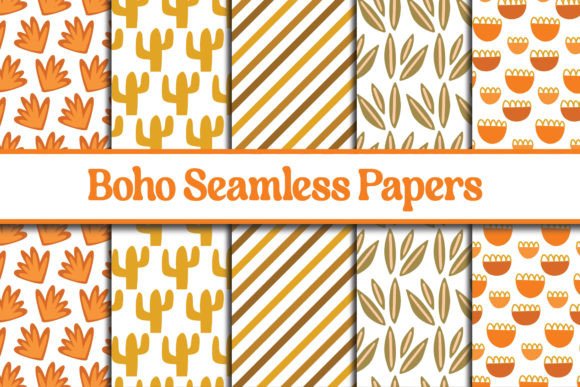
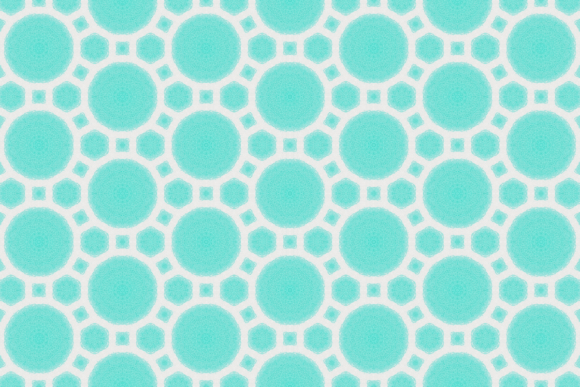
To evaluate whether a Boho Geometric Pattern suits your needs, one must first understand its compositional elements. Traditional bohemian design often relies on intricate florals, paisleys, and earthy textures. In contrast, geometric design focuses on clean lines, repeating shapes, and symmetry. The Boho Geometric Pattern bridges these worlds by incorporating organic curves and irregularities within structured frameworks. You might see zigzag lines that mimic tribal motifs, circles that overlap in mandala-like formations, or triangles arranged in tessellations that feel hand-drawn rather than algorithmically perfect.
This hybrid style appeals to those who find pure geometric designs too rigid or cold, while simultaneously finding traditional floral patterns too busy or dated. The result is a balanced visual texture that feels modern yet grounded. When evaluating digital assets like the specific set described—containing 1 digital paper at 1200 × 800 pixels in PNG format at 300 dpi—it is important to recognize that the resolution ensures clarity regardless of how the pattern is scaled or printed.
Technical Specifications and Usability
For professionals in graphic design and print production, file specifications are not merely details; they are fundamental constraints. The availability of a Boho Geometric Pattern in PNG format with a resolution of 300 dpi offers significant advantages. The PNG format supports transparency, allowing the pattern to be overlaid on different backgrounds without unwanted white boxes or borders. This is particularly useful for web design and digital scrapbooking where layering effects are common.
The dimension of 1200 × 800 pixels provides a standard aspect ratio suitable for many desktop wallpapers, blog headers, and social media graphics. However, the 300 dpi resolution is the critical factor for physical applications. This density ensures that when the image is printed for items such as planner stickers, invitations, or fabric prints, the edges remain crisp and the colors do not pixelate. It is essential for buyers to verify that the source file meets these standards if high-quality physical output is a goal.
Primary Applications and Use Cases
The versatility of the Boho Geometric Pattern makes it a strong candidate for a wide array of creative endeavors. Below are the primary sectors where this asset class proves most effective.
Planner Stickers and Stationery
One of the most popular uses for digital papers in this style is the creation of planner stickers and stationery sets. The moderate complexity of the pattern allows it to serve as a background element that does not overpower handwritten notes or calendar grids. Because the set includes a single high-resolution sheet, users can easily crop sections to create custom sticker packs. The neutral yet textured nature of boho-geometric designs pairs well with both pastel and bold color palettes, making them adaptable to various organizational themes.
Web Design and Digital Graphics
In the realm of web design, visual hierarchy is key. A Boho Geometric Pattern can be used as a subtle background texture for landing pages, about sections, or portfolio headers. Its repetitive nature allows it to tile seamlessly if extended, creating a cohesive brand identity. For business cards and letterheads, a small, repeated motif derived from the larger pattern can add a touch of personality without compromising readability. The PNG format’s transparency feature is particularly valuable here, allowing the pattern to blend with the card’s base color.
Event Invitations and Party Decor
Invitations for weddings, baby showers, and birthday parties often seek a balance between elegance and fun. The Boho Geometric Pattern fits this niche by offering structure (geometry) and warmth (boho). It is ideal for crafting collages, photo album covers, and party banners. The aesthetic suggests a relaxed yet curated atmosphere, which aligns with modern event planning trends that favor authenticity over formality.
Craft Projects and Fabric Printing
For DIY enthusiasts, digital papers serve as templates for sublimation printing or transfer methods. The 300 dpi resolution ensures that when transferred to fabric for tote bags, scarves, or home decor items like throw pillows, the detail remains intact. Scrapbookers also benefit from this format, as the pattern can be scanned or imported directly into design software to create layered compositions that combine photos with decorative elements.
Weighing Benefits Against Tradeoffs
While the Boho Geometric Pattern offers numerous benefits, potential users should consider specific tradeoffs. The primary advantage is its cross-platform utility; a single file can serve digital and print purposes alike. Additionally, the neutral undertones typical of this style make it easier to integrate into existing color schemes compared to highly saturated, themed patterns.
However, there are limitations. The single-sheet nature of the set means users may need to purchase multiple variations if they require a diverse range of patterns for a large-scale project. Furthermore, because the pattern is pre-rendered at a fixed resolution, extreme scaling beyond its original dimensions for massive billboards or large-format signage could result in quality loss. Users must plan their layout to fit within the 1200 × 800 pixel constraint or utilize vector-based alternatives if infinite scalability is required.
When to Choose Alternatives
It is important to determine when this specific pattern type may not be the best fit. If your project requires a minimalist, corporate aesthetic, the organic curves of the boho style might appear too casual or informal. Similarly, if you are designing for a child-focused product that requires bright, primary colors and simple shapes, the muted tones and complex intersections of a boho-geometric design might lack the necessary visual impact.
Additionally, if your workflow relies heavily on editable vector paths (SVG or AI formats) to change colors or shapes dynamically, a raster PNG file may present friction. While PNGs are versatile, they do not allow for non-destructive editing of individual geometric elements. In such cases, investing in vector-based boho patterns would be a more strategic decision.
Decision-Making Insights
Selecting the right design asset depends on aligning the tool with the end goal. If your objective is to add texture and visual interest to digital documents, printables, or mixed-media crafts without overwhelming the content, the Boho Geometric Pattern is a strong contender. Its technical specifications—specifically the 300 dpi PNG format—ensure compatibility with most design software and printing services.
Before purchasing or downloading, assess the following:
- Volume Needs: Do you need just one background element, or a suite of coordinating patterns?
- Output Medium: Will this be viewed primarily on screens or printed at large sizes?
- Editing Requirements: Do you need to modify the shape or color of the pattern itself?
By answering these questions, you can determine if the simplicity and elegance of the Boho Geometric Pattern aligns with your creative vision. For projects requiring a blend of structure and soul, this pattern offers a reliable, high-quality foundation.