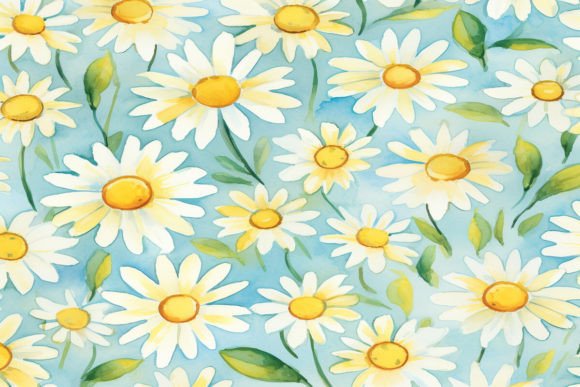
Evaluating the Watercolor Sunflower Pattern for Creative Projects
In the realm of digital design and crafting, visual texture plays a pivotal role in defining the emotional tone of a project. Among the myriad of aesthetic choices available to designers, hobbyists, and small business owners, the Watercolor Sunflower Pattern has emerged as a versatile and enduring favorite. This specific digital asset offers more than just a decorative element; it provides a textured, organic foundation that bridges the gap between rustic charm and modern elegance. Understanding the nuances of this pattern—particularly its technical specifications and artistic application—is essential for making an informed decision about whether it fits your creative needs.
The core appeal of a watercolor sunflower design lies in its ability to evoke warmth and natural beauty without appearing overly rigid or artificial. Unlike vector-based graphics that can sometimes feel sterile, watercolor textures introduce subtle imperfections, color bleeding, and soft edges that mimic traditional hand-painted art. When applied as a repeating pattern, these characteristics create a cohesive background or overlay that adds depth to various mediums. For those evaluating digital assets, recognizing the distinction between a simple image and a true seamless pattern is crucial for achieving professional results.
Technical Specifications and Quality Assessment
Before committing to any digital resource, examining the technical details is a non-negotiable step in the evaluation process. The Watercolor Sunflower Pattern described in this analysis comes with specific parameters that directly impact its usability. It is provided as a single digital paper file in JPG format, with dimensions of 1200 × 800 pixels at a resolution of 300 DPI. While these specs are standard for many entry-level digital papers, understanding their implications helps users determine where this asset shines and where it might fall short.
A resolution of 300 DPI (dots per inch) is widely considered the gold standard for print media. This ensures that when the pattern is printed on physical items such as greeting cards, scrapbook pages, or fabric swatches, the image remains crisp and free from pixelation. For users planning to produce tangible goods, this high resolution is a significant advantage. However, the file format is JPG, which uses lossy compression. While convenient for file size management, JPGs do not support transparency. This means that if you intend to layer the sunflower pattern over another background color or image, you will need to manually remove the white or solid background in editing software, which can be time-consuming and may degrade image quality further.
The dimensions of 1200 × 800 pixels offer a moderate canvas size. For web use, this resolution is generally sufficient, providing enough detail for desktop viewing while keeping load times reasonable. However, for large-format prints like banners or wall murals, this file size would likely require upscaling, which could result in a loss of clarity. Therefore, this asset is best suited for medium-scale projects rather than expansive displays. Users should weigh these technical constraints against their specific output requirements before purchasing or downloading.
Comparing Watercolor Patterns to Other Design Styles
When selecting a background or decorative element, the Watercolor Sunflower Pattern competes with several other popular styles, including geometric vectors, photographic textures, and hand-drawn illustrations. Each style serves different psychological and functional purposes, and choosing the right one depends heavily on the desired outcome.
- Geometric Vectors: Vector patterns offer infinite scalability and clean lines, making them ideal for corporate branding or minimalist designs. In contrast, watercolor patterns introduce organic irregularity. If your goal is to convey professionalism through precision, vectors are superior. However, if you aim to evoke emotion, nostalgia, or a handmade feel, the watercolor approach is far more effective.
- Photographic Textures: High-resolution photos of real sunflowers provide authenticity but often lack the uniformity required for a repeating pattern. They can also be visually busy, distracting from foreground content. A watercolor pattern simplifies the subject matter, reducing visual clutter while retaining the botanical essence. This makes it a safer choice for backgrounds where text legibility is a priority.
- Hand-Drawn Illustrations: Similar to watercolor, hand-drawn elements offer a personal touch. However, they can vary significantly in style consistency. A well-executed digital watercolor pattern ensures that every repetition looks harmonious, providing a polished look that might take hours to replicate manually.
The tradeoff here is clear: watercolor patterns sacrifice the sharpness of vectors and the realism of photography in exchange for artistic flair and emotional resonance. For projects targeting audiences who value aesthetics and creativity, this tradeoff is usually worth it.
Ideal Use Cases and Applications
The versatility of the Watercolor Sunflower Pattern allows it to be integrated into a wide array of creative endeavors. Its warm yellow hues and soft green accents make it particularly suitable for seasonal themes, especially summer, spring, and harvest seasons. Below are some practical applications where this pattern excels.
- Planner Stickers and Digital Journaling: In the growing market of digital planning, users seek elements that add personality without overwhelming the page. A watercolor sunflower border or corner accent works beautifully as a sticker alternative. The soft edges blend seamlessly with handwritten notes, creating a journal-like aesthetic.
- Wedding and Event Invitations: Weddings often lean towards romantic and organic themes. Using this pattern for save-the-dates, invitation backdrops, or menu cards can establish a cohesive rustic-chic vibe. The 300 DPI quality ensures that printed invitations look premium and tactile.
- Small Business Branding: Entrepreneurs in the baking, floral, or artisanal goods sectors often benefit from this aesthetic. Incorporating the pattern into packaging labels, business cards, or social media headers can reinforce brand identity as friendly, natural, and crafted with care.
- Home Decor and Fabric Printing: For DIY enthusiasts, this digital paper can be used to create custom wrapping paper, gift tags, or even printed fabric for cushions and tote bags. The seamless nature of the pattern (if designed correctly) allows for continuous printing across larger surfaces.
- Web Design and Graphics: While less common for full-page backgrounds due to potential visual noise, this pattern serves as an excellent hero image backdrop or section divider. It adds a splash of color to otherwise plain layouts, drawing attention to calls-to-action without being aggressive.
Limitations and Considerations for Decision Making
While the Watercolor Sunflower Pattern is a strong contender for many projects, it is not a universal solution. Recognizing its limitations is key to avoiding frustration during the design process. One primary limitation is the lack of transparency in the JPG format. As mentioned earlier, this restricts how the pattern can be layered. Designers who frequently work with complex composites might find themselves spending extra time masking out backgrounds, which can slow down workflow efficiency.
Another consideration is the color palette. Sunflowers are inherently bright and dominant. In designs that require a subdued or neutral tone, a vibrant sunflower pattern might clash with other elements. It is advisable to desaturate the colors slightly or place the pattern behind semi-transparent overlays if the surrounding content is colorful. Additionally, because the file is a single unit, customization options are limited. Users cannot easily change the flower type or background color within the file itself; they must rely on external editing tools or purchase separate assets for variation.
Furthermore, licensing terms should always be reviewed. Some digital papers come with restrictions on commercial use, meaning they cannot be used for products sold for profit. Whether for planner stickers, fabric printing, or web graphics, ensuring that the license permits the intended use case is critical to avoid legal issues. Always verify if the "1 digital paper" purchase includes commercial rights or if a separate license is required.
Final Evaluation
In conclusion, the Watercolor Sunflower Pattern represents a solid choice for creatives seeking to infuse their projects with warmth and organic texture. Its 300 DPI resolution and JPG format make it highly accessible and suitable for most print and digital applications, provided the user accounts for the lack of transparency. When compared to vectors or photographs, it occupies a unique niche that balances artistic expression with ease of use.
For individuals aged 20–50 who are actively researching design resources, this pattern is particularly relevant for those engaged in scrapbooking, small-scale e-commerce, or personal branding. It offers a cost-effective way to achieve a professional, handcrafted look without the steep learning curve associated with digital painting. However, for projects requiring extreme scalability, transparency, or strict corporate minimalism, alternative assets may be more appropriate. By carefully weighing the technical specs against the intended application, users can determine if this watercolor sunflower design is the right tool for their next creative endeavor.