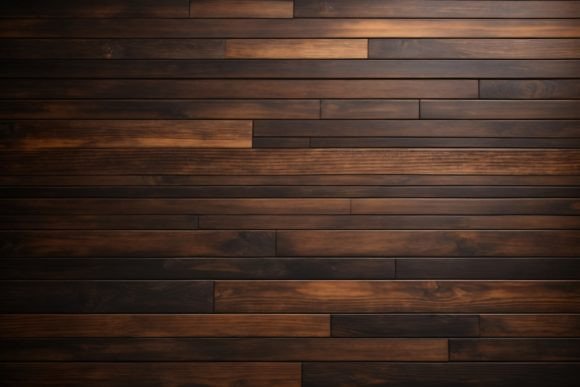
Evaluating Black Wood Planks Background for Creative and Professional Design Projects
In the realm of digital design, texture plays a pivotal role in establishing mood, depth, and authenticity. Among the various textures available to designers, the Black Wood Planks Background has emerged as a versatile and sophisticated choice. This specific aesthetic combines the organic warmth of wood grain with the dramatic contrast of dark tones, creating a visual foundation that is both modern and timeless. Whether you are a graphic designer crafting a high-end brand identity or a hobbyist working on a DIY scrapbooking project, understanding the nuances of this background type is essential for achieving professional results.
The appeal of black wood planks lies not just in their color but in their structural implication. Unlike flat black backgrounds, which can feel void or sterile, wood planks introduce horizontal lines and subtle variations in tone that guide the eye and add physical presence to a digital space. When evaluating resources for such projects, it is crucial to consider file specifications, resolution, and intended application. A high-quality asset, typically provided as a high-resolution JPG at 300 DPI with dimensions around 3000×2000 pixels in RGB color mode, ensures that the texture remains crisp whether viewed on a mobile screen or printed on large-format stationery.
Defining the Aesthetic: What Makes Black Wood Distinct?
To understand why one might choose a black wood plank background over other options, it is helpful to first define its unique characteristics. The term "black wood" rarely refers to a single species of tree but rather describes a finish or stain applied to common woods like oak, pine, or walnut. In digital assets, this translates to a deep, rich palette where the natural grain patterns—knots, swirls, and linear striations—are preserved but rendered in low-key tones.
This distinction matters because it separates the texture from purely abstract or synthetic backgrounds. Synthetic textures often repeat in obvious ways, breaking immersion. Authentic-looking wood planks, however, offer irregularity that mimics reality. For designs requiring a sense of craftsmanship, heritage, or rugged elegance, this irregularity is a key selling point. It suggests materiality, allowing viewers to almost feel the surface through the screen. This tactile quality is particularly valuable in web graphics and digital invitations, where the goal is to evoke an emotional response before the user even clicks a button.
Furthermore, the color black serves as a neutral anchor. While white or light wood backgrounds suggest brightness, airiness, and minimalism, black wood conveys sophistication, mystery, and premium quality. It provides a high-contrast canvas that makes foreground elements pop. Text placed over black wood planks requires careful consideration of typography and color, but when done correctly, it creates a striking visual hierarchy that lighter backgrounds cannot replicate.
Comparing Formats and Use Cases
When researching design resources, users often encounter a variety of wood-themed backgrounds. Comparing black wood planks against alternatives such as white-washed wood, gray concrete, or solid charcoal colors helps clarify where this specific style fits best.
Versus Light Wood and Natural Tones
Light wood backgrounds are excellent for clean, Scandinavian-inspired designs or medical and wellness branding. They feel open and inviting. However, they can sometimes lack the dramatic impact needed for luxury goods or evening events. Black wood planks offer a heavier visual weight. If your project involves jewelry, premium spirits, or high-end automotive accessories, the dark tones of black wood align better with the perceived value of the product. The tradeoff here is visibility; while black wood looks expensive, it demands higher contrast for readable text compared to light wood.
Versus Concrete and Stone Textures
Concrete and stone backgrounds share the industrial edge of black wood but differ in texture. Concrete is smooth and uniform, often associated with urban, brutalist, or tech-forward aesthetics. Black wood, by contrast, retains the organic imperfections of nature. For brands that want to balance industrial strength with human warmth, black wood is the superior choice. It softens the harshness of pure geometry without losing the modern appeal. This makes it ideal for artisanal food packaging, craft beer labels, or boutique hotel interiors where a connection to nature is desired alongside modern design.
Versus Solid Color Backgrounds
A solid black background is the simplest option for maximizing contrast. However, it can feel flat and two-dimensional. Adding the subtle detail of wood planks introduces complexity without clutter. This is particularly relevant in decoupage and cardmaking, where the physical texture of the paper or cardstock interacts with the printed image. A solid color print may look cheap if the paper quality is low, whereas a detailed wood grain texture can distract from minor paper imperfections, enhancing the overall perceived quality of the final product.
Technical Considerations for High-Quality Output
Not all digital backgrounds are created equal. The technical specifications of the asset significantly impact its usability across different mediums. For professionals and serious hobbyists alike, understanding these details prevents costly mistakes in printing or web deployment.
- Resolution and Print Quality: A resolution of 300 DPI (dots per inch) is the industry standard for high-quality printing. At this density, the individual pixels of the wood grain remain sharp and distinct. If you plan to use this background for business cards, banners, or planner stickers, ensuring the file meets this standard is non-negotiable. Lower resolutions will result in blurry, pixelated edges when scaled up, destroying the realistic illusion of wood.
- Dimensions and Aspect Ratio: Standard dimensions like 3000×2000 pixels provide a 3:2 aspect ratio, which is compatible with most cameras and screens. This size offers enough detail for close-up inspection while remaining manageable in terms of file size. For web graphics, this resolution ensures the image looks crisp on Retina displays and high-DPI monitors.
- Color Mode: Files in RGB color mode are optimized for digital screens. If you are designing primarily for the web, social media, or digital invitations sent via email, RGB is the correct format. However, if you intend to send the file to a professional printer for physical production, be aware that some printers prefer CMYK. While many modern workflows handle RGB-to-CMYK conversion automatically, starting with a high-fidelity RGB source allows for better control over the final color accuracy during pre-flight checks.
Practical Applications Across Disciplines
The versatility of a black wood plank background extends across numerous creative disciplines. Its ability to serve as both a primary visual element and a subtle supporting texture makes it a staple in many toolkits.
In stationery and invitation design, black wood provides a masculine or elegant backdrop for wedding invites, corporate event announcements, or gala dinner menus. The dark tone allows gold, silver, or white foil effects to stand out brilliantly, creating a luxurious finish. Similarly, in scrapbooking and planner stickers, the texture adds depth to personal memories or organizational tools, grounding bright photos or colorful icons in a stable, earthy environment.
For web graphics and UI design, black wood planks can be used as hero section backgrounds or sidebar accents. They work well for portfolios of craftsmen, photographers, or architects who want to emphasize structure and material. The horizontal lines of the planks can also subtly reinforce layout grids, guiding the user’s eye across the page. In decoupage and mixed media art, this background serves as a base layer that can be layered with other papers, fabrics, or paints. The grain pattern adds interest even when partially obscured, ensuring the artwork never feels completely flat.
Another significant use case is in wooden text effect design. By using the black wood image as a clipping mask or texture overlay for typography, designers can create letters that appear carved into or printed onto dark timber. This technique is highly effective for logos and headers, adding a tactile dimension to digital text.
Decision Factors: When to Choose Black Wood Planks
Selecting the right background ultimately depends on the goals of your project. You should consider choosing a black wood plank background when:
- You need high contrast: Your foreground elements (text, logos, products) are light-colored, and you need them to stand out sharply.
- You aim for a premium or rustic-modern vibe: The combination of natural texture and dark color signals quality and sophistication.
- You are printing on varied surfaces: The detailed grain helps mask minor inconsistencies in paper or cardstock quality.
- You want organic warmth without brightness: You desire the comfort of wood but the sleekness of a dark palette.
Conversely, you might look for alternatives if your brand identity is strictly minimalist and bright, if you are targeting a youthful, energetic demographic that responds better to neon or pastel trends, or if you require a background that blends seamlessly into a white-dominant interface. In those cases, light wood, white marble, or solid pastel colors may be more appropriate.
Conclusion on Suitability
The Black Wood Planks Background is more than just a decorative image; it is a functional design element that bridges the gap between digital precision and organic reality. Its high-resolution detail, robust color profile, and universal applicability make it a valuable resource for anyone engaged in creative production. By carefully considering its strengths—such as its ability to convey luxury and depth—and its limitations, such as the need for high-contrast foregrounds, designers can make informed decisions that enhance the overall impact of their work. Whether used in a small-scale DIY sticker or a large-scale web banner, this background offers a reliable foundation for compelling visual storytelling.