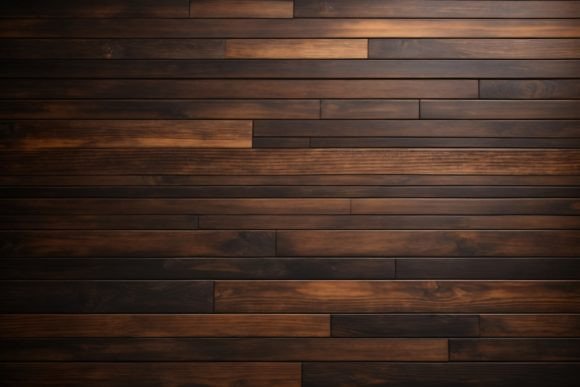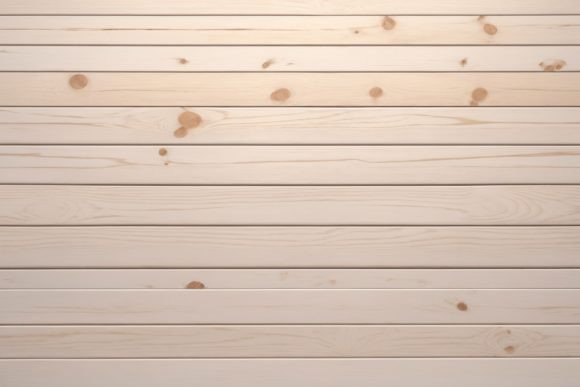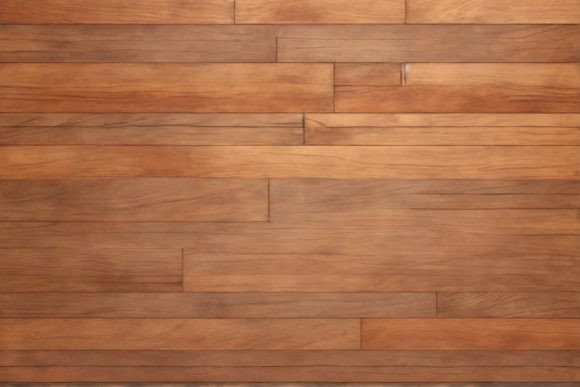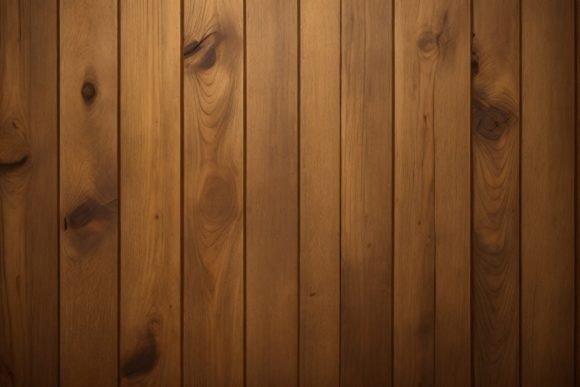
Rustic Wooden Planks Background
In the realm of digital design and physical craft, the foundation of a project often dictates its final aesthetic impact. A Rustic Wooden Planks Background serves as more than just a decorative texture; it is a structural element that grounds visual communication in warmth, authenticity, and tactile reality. For professionals ranging from graphic designers to small business owners, integrating high-quality wood textures into workflows requires an understanding of both artistic intent and technical execution. This resource provides a versatile asset capable of enhancing everything from digital marketing materials to handcrafted stationery.
The specific asset described here—a high-resolution 300 DPI RGB JPG file measuring 3000×2000 pixels—offers a balance between detail and usability. It is designed for decoupage, printing over surfaces, cardmaking, DIY projects, wooden text effects, web graphics, scrapbooking, planner stickers, business cards, and banners. Understanding how to leverage this background effectively involves looking at the entire lifecycle of a creative or business project, from initial concept to final distribution.
Technical Specifications and Workflow Integration
Before diving into creative applications, it is essential to understand the technical parameters of the asset. The file is provided as a JPG with a resolution of 300 DPI (dots per inch) and dimensions of 3000×2000 pixels. In the context of print production, 300 DPI is the industry standard for sharp, high-quality output. This means that when used in software like Adobe Photoshop, Illustrator, or Canva, the image will retain clarity even when scaled down for smaller items like business cards or planner stickers.
The RGB color mode indicates that this file is optimized for screens and digital displays. While many modern printers can handle RGB files by converting them internally, professional print shops often prefer CMYK files for color accuracy. If you are sending designs to a commercial printer for large-format banners or high-end invitations, you may need to convert the color profile during the export process. However, for home printing, digital publishing, web graphics, and personal crafting, the RGB format ensures vibrant colors and immediate compatibility with most consumer-grade devices.
Compatibility Across Platforms
One of the primary advantages of using a standard JPG format is its universal compatibility. Whether you are working on a Windows PC, a Mac, an iPad, or an Android tablet, the file opens without issue. This makes it ideal for freelancers and remote teams who may be collaborating across different operating systems. You can drag and drop the background into virtually any design application, from complex vector editors to simple mobile apps used for quick social media posts.
- Graphic Design Software: Use layers to blend the wood texture with logos or typography. Adjust opacity or use blending modes like "Multiply" or "Overlay" to create seamless integration.
- Print-on-Demand Services: Upload the design directly to platforms that produce custom packaging, labels, or merchandise. The high resolution ensures no pixelation on product mockups.
- Digital Planning Apps: Import the image into GoodNotes or Notability as a background for digital planners, adding a rustic touch to productivity tools.
Creative Applications and Use Cases
The versatility of a Rustic Wooden Planks Background allows it to fit into diverse workflows. Below are practical examples of how this asset can be utilized across different industries and hobbyist pursuits.
Branding and Stationery for Small Businesses
For entrepreneurs, especially those in artisanal, organic, or handmade sectors, branding must convey trust and quality. A wooden texture subconsciously signals natural materials and craftsmanship. When designing business cards, letterheads, or packaging labels, placing your logo over a subtle wood grain can elevate the perceived value of your brand.
To implement this effectively, ensure sufficient contrast between your text and the background. If the wood planks have deep shadows or high-contrast knots, consider adding a semi-transparent white or black overlay behind your text box. This maintains readability while preserving the rustic aesthetic. Additionally, using this background for email signatures or website headers creates a cohesive visual identity across all customer touchpoints.
Event Design: Invitations and Banners
Weddings, barn-themed parties, and corporate retreats often benefit from earthy, organic themes. A Rustic Wooden Planks Background serves as an excellent base for invitation suites. By layering elegant script fonts over the wood texture, you can create invitations that feel both formal and grounded.
For larger formats, such as event banners or backdrop designs, the 3000×2000 pixel dimension provides ample space for detailed compositions. You can repeat the pattern if needed, or use the full width for a panoramic effect. Ensure that any critical information, such as dates or venue names, is placed in areas with less visual clutter on the wood surface to avoid competing with the texture.
DIY Crafts and Decoupage
For hobbyists engaged in decoupage, scrapbooking, or mixed-media art, this background offers a realistic alternative to physical wood. Printing the image onto thin paper or tissue allows you to adhere it to various surfaces, mimicking the look of aged timber without the weight or maintenance of real wood.
This is particularly useful for creating faux-finish furniture, photo frames, or gift boxes. The high resolution ensures that when you zoom in on your finished craft, the wood grain looks authentic rather than blurry or pixelated. It also allows for consistency; you can print multiple sheets to match patterns across different projects, something difficult to achieve with natural wood variations.
Web Graphics and Digital Content
Bloggers and content creators frequently struggle with finding unique backgrounds that load quickly yet look professional. A compressed but high-quality JPG of wooden planks can serve as a header image for blog posts, particularly those related to home decor, woodworking, sustainability, or lifestyle topics.
You can also use this background for YouTube thumbnails or Instagram story templates. Adding text overlays with bold, contrasting fonts draws attention while the wood texture adds depth. Because the file is not excessively large in terms of data size (typical for a 3000px wide JPG), it loads swiftly on websites, contributing to better user experience and SEO performance.
Best Practices for Implementation
To get the most out of this asset, consider the following practical tips regarding preparation, organization, and quality control.
- Preparation and Backup: Always keep a master copy of the original 3000×2000 px file. Avoid editing directly on the source file. Instead, work on duplicates or layers within your design software. This preserves the integrity of the high-resolution asset for future projects.
- Color Consistency: Since the file is in RGB, monitor calibration is important. Colors may appear slightly different on mobile devices versus desktop monitors. Proof your designs on multiple screens before finalizing, especially if color accuracy is critical for brand alignment.
- Layering Techniques: Don’t let the background dominate. Use it as a supporting element. Incorporate other textures, such as paper cuts, fabric swatches, or metallic foils, to add dimension. The wood should enhance the subject, not compete with it.
- Resolution Management: When preparing files for print, double-check the DPI settings in your layout software. Even though the source is 300 DPI, resizing the canvas incorrectly can alter the effective resolution. Ensure your document setup matches the final print size to maintain sharpness.
- Organization: Store the file in a well-named folder structure. Include metadata or tags like "wood," "rustic," "background," and "texture" so you can easily retrieve it later. This is crucial for freelancers managing multiple client assets.
Long-Term Value and Versatility
Investing in a high-quality Rustic Wooden Planks Background pays dividends over time. Unlike trendy, fleeting design elements, wood textures remain timeless. They evoke feelings of stability, nature, and tradition, which are universally appealing. This makes the asset suitable for long-term brand campaigns, annual reports, or evergreen educational materials.
Furthermore, its adaptability reduces the need to purchase multiple specialized textures. One high-resolution wood background can serve dozens of purposes, from a simple email signature to a complex multi-page brochure. By mastering the techniques of blending, scaling, and color correction, you can transform this single asset into a cornerstone of your creative toolkit.
Whether you are a seasoned designer looking to streamline your workflow or a beginner exploring the joys of digital crafting, this background offers a reliable foundation. It bridges the gap between digital convenience and analog charm, allowing you to create professional, polished results with ease. Embrace the texture, respect the technical specifications, and let the rustic appeal enhance your next project.