Wood Planks Digital Paper: A Practical Guide to Selection and Application
In the realm of digital design, texture plays a pivotal role in establishing mood, depth, and realism. Among the various textures available to designers, wood remains a perennial favorite for its warmth, organic feel, and versatility. Specifically, Wood Planks Digital Paper has emerged as a highly functional asset for both professional graphic designers and hobbyist crafters. This resource offers a high-resolution representation of wooden surfaces that can be seamlessly integrated into a wide array of creative projects.
Understanding the specific attributes of this digital asset is crucial before integrating it into your workflow. Unlike generic stock photos or low-quality scans, dedicated digital paper files are engineered for scalability and precision. The standard specification for a high-quality Wood Planks Digital Paper file typically includes a resolution of 300 DPI (dots per inch) and dimensions such as 3000×2000 pixels in RGB color mode. These technical details are not merely arbitrary numbers; they dictate the practical limits of how and where you can use the image effectively.
Distinguishing Features of High-Resolution Wood Textures
When evaluating digital paper options, the distinction between a simple photograph and a purpose-built digital asset often lies in resolution and color fidelity. A file with 300 DPI ensures that when printed at standard sizes, the wood grain remains crisp and free from pixelation. For a dimension of 3000×2000 pixels, this resolution allows for significant flexibility in layout design without compromising quality.
The RGB color profile is another critical factor. Most digital designs intended for screens—such as web graphics, social media banners, and digital invitations—are created in RGB. However, many users also intend to print their creations. While RGB is standard for digital displays, understanding how these colors translate to print is essential. High-quality digital papers often balance this by providing enough color depth to look vibrant on screen while maintaining realistic tones that reproduce well in CMYK print environments, though conversion may still be necessary for professional printing services.
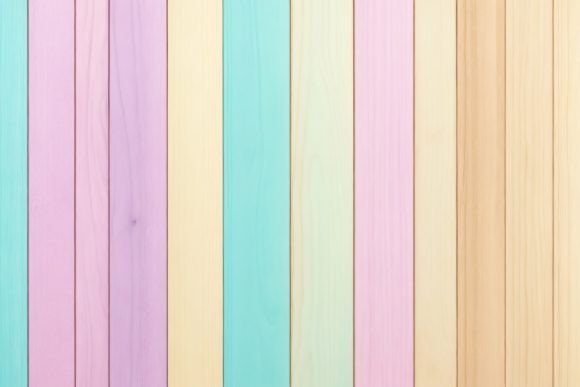
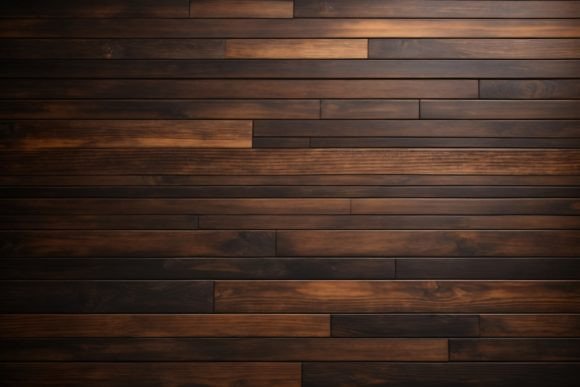
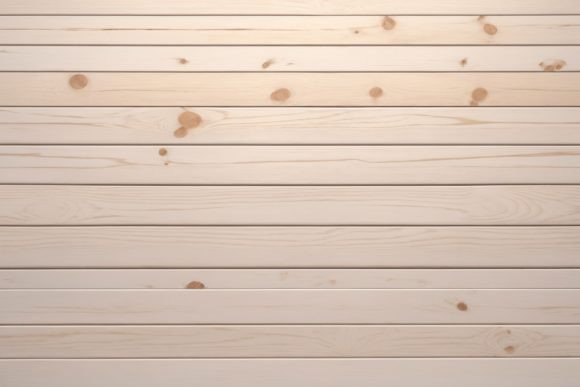
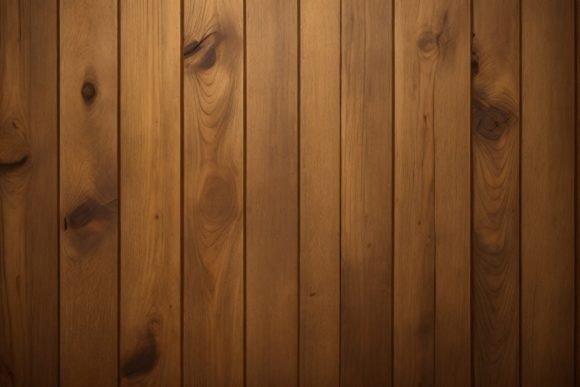
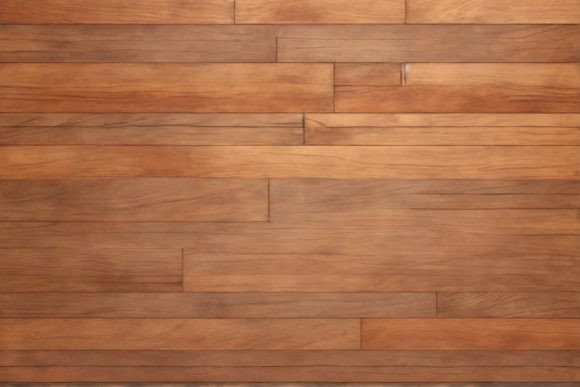
What makes Wood Planks Digital Paper distinct from other wood textures is its specific aesthetic focus. It mimics the look of individual planks rather than a solid slab of wood. This linear arrangement introduces directional lines that can guide the viewer’s eye across a design, making it particularly effective for backgrounds in cardmaking, stationery, and banner design. The visual rhythm of the planks adds structure to compositions that might otherwise feel flat or chaotic.
Comparing Digital Paper to Traditional Physical Materials
One of the primary considerations for crafters and designers is whether to use physical materials or digital assets. Traditionally, creating a wooden background required sourcing actual wood veneers, applying decoupage techniques, or using textured paints. Each of these methods involves time, cost, and physical space.
- Cost Efficiency: Purchasing a single digital file is significantly more economical than buying multiple sheets of specialty scrapbook paper, wood veneers, or specialized paints. Once acquired, the file can be used indefinitely without recurring costs.
- Versatility and Scale: With physical materials, you are limited by the size of the sheet you purchased. If you need a larger background, you must splice multiple sheets together, which often results in visible seams. Digital paper, however, can be tiled infinitely in software like Photoshop or Illustrator, allowing for seamless expansion to any size required for large-format prints or web headers.
- Non-Destructive Editing: Using digital paper allows for non-destructive editing. You can adjust opacity, blend modes, brightness, and contrast to suit different lighting conditions or artistic visions. Altering a physical piece of wood or paper is permanent and irreversible.
However, physical materials offer a tactile quality that digital representations cannot fully replicate. For projects requiring embossing, layering with real elements, or exhibiting in person where texture is part of the experience, physical media may still hold an advantage. Yet, for most digital-first projects, the efficiency and adaptability of Wood Planks Digital Paper make it the superior choice.
Ideal Use Cases and Applications
The versatility of Wood Planks Digital Paper stems from its ability to serve as a foundational element in diverse design contexts. Below are several practical applications where this asset shines.
Stationery and Invitations
For wedding invitations, baby shower cards, or business correspondence, a wood plank background evokes a sense of rustic elegance or natural simplicity. When paired with elegant typography and metallic accents, the digital texture provides a sophisticated backdrop without overwhelming the text. The 300 DPI resolution ensures that fine details in fonts remain sharp when the invitation is printed.
Web Graphics and Banners
In web design, wood textures are frequently used to convey themes of craftsmanship, outdoor living, home improvement, or artisanal products. Because the file is provided in RGB format, it integrates smoothly into web layouts. Designers can use the wood planks as a header background, a sidebar accent, or a subtle overlay behind product images to add depth and context.
DIY Projects and Scrapbooking
Scrapbookers often struggle to find consistent backgrounds that match their theme across multiple pages. Digital paper solves this by allowing users to print exactly what they need, when they need it. Furthermore, the "decoupage" application mentioned in the file details highlights another unique utility. Users can print the image onto thin tissue paper or specialized decoupage paper and adhere it to three-dimensional objects, such as boxes, frames, or furniture, instantly giving them a custom wooden finish.
Business Cards and Branding
For businesses in construction, woodworking, landscaping, or eco-friendly sectors, incorporating wood textures into branding reinforces industry relevance. A business card featuring a subtle wood plank pattern can stand out in a stack of plain white cards, offering a tactile visual cue even before the recipient touches it. The high resolution ensures that the texture looks premium rather than cheap or pixelated.
Evaluating Tradeoffs and Limitations
While Wood Planks Digital Paper is a powerful tool, it is not a one-size-fits-all solution. Understanding its limitations helps users avoid common pitfalls.
Repetition and Tiling: Although high-quality files are designed to tile seamlessly, lower-quality assets may show obvious repetition patterns if stretched too far. Always preview the texture at the scale you intend to use it. If the grain pattern repeats too obviously, consider breaking up the texture with overlays, gradients, or other graphical elements.
Color Compatibility: The warm tones of wood can clash with certain color palettes. Cool blues or bright neons might create visual vibration against the orange-brown hues of typical wood planks. Careful selection of complementary colors is necessary to maintain readability and aesthetic harmony. Testing the background with your chosen text and graphic colors is a recommended step before finalizing the design.
Print vs. Screen Discrepancy: As noted earlier, RGB colors can appear differently in print. Wood tones, in particular, can shift towards gray or brown depending on the printer’s ink profile. If precise color matching is critical, perform a test print on the same type of paper you plan to use for the final project. Adjusting the saturation and brightness in your editing software beforehand can help mitigate these discrepancies.
Decision Factors: When to Choose Digital Paper
Selecting the right resource depends on your specific project goals. Wood Planks Digital Paper is the right choice when you prioritize speed, cost-effectiveness, and scalability. It is ideal for digital-only deliverables, small-to-medium print runs, and projects requiring frequent revisions or variations.
Conversely, you might need another option if your project demands authentic physical texture, such as a sculpture base or a mixed-media art piece where the thickness and grain of real wood are integral to the work. Additionally, if you require a wood texture with specific historical accuracy or rare species characteristics that are not represented in standard digital libraries, sourcing a specialized photograph or visiting a lumber yard may be necessary.
Ultimately, the decision rests on balancing aesthetic needs with practical constraints. By leveraging the high resolution (300 DPI) and adaptable format (JPG, RGB) of Wood Planks Digital Paper, creators can achieve professional-grade results across a spectrum of mediums. Whether enhancing a website, crafting personalized stationery, or designing promotional materials, this digital asset offers a reliable foundation for bringing wooden aesthetics to life with precision and ease.