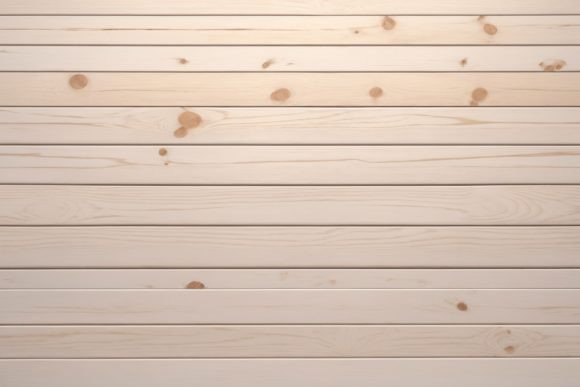
White Wood Background
In the realm of digital design and physical craft, few elements are as versatile or universally appealing as the texture of white wood. It serves as a neutral yet textured canvas that bridges the gap between modern minimalism and rustic warmth. The specific asset known as White Wood Background, particularly when paired with Wooden Planks Background variations, has become a staple for creators who demand both aesthetic quality and technical precision. This resource is not merely an image; it is a foundational tool designed for high-fidelity reproduction across a myriad of mediums, from screen-based graphics to tactile print materials.
The relevance of this background type stems from its ability to provide depth without overwhelming the primary subject. Whether you are designing a business card, creating a scrapbook layout, or developing web graphics, the subtle grain and clean tones of white-washed planks offer a sophisticated backdrop that enhances readability and visual hierarchy. For professionals and hobbyists alike, understanding how to leverage these textures effectively can elevate the perceived value of any project.
The Evolution of Textural Design in Digital and Physical Media
Design trends have shifted significantly over the past decade, moving away from flat, sterile interfaces toward experiences that feel more organic and tangible. This shift is driven by user expectations for authenticity and connection. In a digital landscape saturated with polished, synthetic visuals, the inclusion of natural textures like wood introduces a sense of grounding and reliability. The White Wood Background fits perfectly into this trend, offering the warmth of nature through a lens of contemporary cleanliness.
This evolution is evident in changing consumer habits. People are increasingly drawn to brands and content that reflect craftsmanship and attention to detail. For entrepreneurs and marketers, using high-quality wooden textures in banners, invitations, and stationery signals a commitment to quality. It suggests that the product or service being presented is handcrafted or carefully curated, rather than mass-produced and generic. Furthermore, the rise of remote work and home offices has heightened the importance of aesthetically pleasing digital environments, making backgrounds for video calls, presentations, and website headers critical components of personal branding.
Technical Specifications and Their Impact on Quality
While the visual appeal of a white wood texture is important, the technical specifications determine its utility. The asset described here is provided as a JPG File with a high resolution of 3000×2000 px. These dimensions are substantial, allowing for significant cropping and resizing without compromising integrity. However, the true power of this file lies in its 300 DPI Resolution.
Dots per inch (DPI) is a crucial metric for print media. A resolution of 300 DPI is the industry standard for high-quality printing. This ensures that when the White Wood Background is used for physical items such as business cards, planner stickers, or large-format banners, the wood grain remains sharp and distinct. Low-resolution images often appear pixelated or blurry when printed at larger sizes, detracting from the professional look of the final product. By starting with a 3000x2000 pixel source at 300 DPI, designers ensure that their output meets the rigorous standards of professional printers.
Additionally, the use of RGB Color mode is essential for digital workflows. RGB (Red, Green, Blue) is the color model used for screens, ensuring that the colors displayed on monitors, tablets, and smartphones are accurate and vibrant. While print typically requires CMYK, many modern workflows involve designing in RGB and converting only at the final export stage, or using digital proofs where RGB accuracy is paramount. This dual capability makes the file adaptable to both screen-first and print-first projects.
Practical Applications Across Creative Disciplines
The versatility of this white wood texture allows it to be integrated into numerous creative practices. Below are several key areas where this asset proves invaluable:
- Stationery and Business Cards: For freelancers and small business owners, first impressions matter. A business card featuring a White Wood Background offers a unique tactile experience if printed on textured paper, or a sleek, modern look if used digitally. The neutral tone allows logos and contact information to stand out clearly, ensuring legibility while maintaining an elegant aesthetic.
- Cardmaking and Invitations: In the world of events, invitations set the tone. Whether for a wedding, a birthday, or a corporate event, wooden textures evoke themes of celebration, stability, and natural beauty. The Wooden Planks Background variation can add a rustic charm to country-themed weddings or a structured elegance to formal gatherings. Designers can overlay text, floral elements, or geometric shapes to create custom invites that feel bespoke and thoughtful.
- Web Graphics and Social Media: Content creators and bloggers frequently need engaging visuals for blog posts, social media headers, and email newsletters. Using a white wood texture as a base layer allows for the placement of quotes, promotional text, or product images. The light color palette prevents visual fatigue and keeps the focus on the core message. It is particularly effective for lifestyle blogs, interior design portfolios, and artisanal e-commerce sites.
- DIY Projects and Decoupage: For craft enthusiasts, decoupage involves gluing paper cutouts onto objects and sealing them with varnish. A high-resolution White Wood Background can be printed and applied to furniture, frames, or boxes to give them a refreshed, updated look. The 3000x2000 pixel size ensures that even if the object is large, the printed sections will maintain their detail. Similarly, for printing over any surfaces and items, this texture provides a consistent base that mimics real wood, saving time and material costs compared to sourcing actual wooden panels.
- Scrapbooking and Planner Stickers: Personal organization and memory keeping are growing hobbies. Digital scrapbooking tools and printable planner stickers benefit greatly from authentic textures. A white wood background adds a cohesive theme to monthly spreads or annual reviews. The natural lines of the planks can guide the layout of photos and journaling entries, creating a structured yet organic feel. For physical planners, the high DPI ensures that the tiny details of the wood grain are visible even on small sticker sheets.
- Wooden Text Effects Design: One of the most striking uses of this asset is in typography. By applying the white wood texture as a clipping mask or pattern fill over bold fonts, designers can create stunning wooden text effects design outcomes. This technique adds dimension and realism to headlines and titles, making them pop against contrasting backgrounds. It is a popular effect in advertising and poster design, conveying strength and durability.
Workflow Integration and Best Practices
To get the most out of this asset, users should consider how it integrates into their existing workflows. For those working in Adobe Photoshop, Illustrator, or similar software, the high resolution allows for non-destructive editing. You can adjust brightness, contrast, and saturation to match your brand’s color palette. Since the file is in RGB, it is ready for immediate use in digital campaigns. If printing is required, remember to convert to CMYK just before exporting to ensure color fidelity on paper.
When using the background for decoupage or other physical crafts, test prints are recommended. Print a small section first to check how the ink interacts with your chosen paper or substrate. The fine details of the wood grain may require high-quality inkjet printers to reproduce accurately. Avoid stretching the image beyond its original aspect ratio, as this can distort the plank lines and make the texture look unnatural.
For digital designers, layering techniques can enhance the impact of the white wood. Combine the texture with shadows, highlights, or semi-transparent overlays to create depth. For instance, placing a shadow behind text on a White Wood Background can simulate the text resting on the surface, adding a 3D effect that engages the viewer. This approach aligns with current UI/UX trends that favor subtle skeuomorphism—elements that mimic real-world materials but remain functional and clean.
Why Attention to Detail Matters
In a market crowded with free, low-quality stock images, investing in high-resolution assets like this White Wood Background sets your work apart. Clients and audiences are becoming more discerning; they can spot pixelation, poor color balance, and generic compositions instantly. By using a 3000x2000 px file at 300 DPI, you demonstrate professionalism and respect for the craft. It shows that you care about the end result, whether it is viewed on a smartphone screen or held in someone’s hands.
Moreover, the adaptability of this background means it can serve multiple purposes within a single project. A designer might use the same texture for a website header, a PDF brochure, and a set of social media stories, creating a cohesive brand identity across all touchpoints. This consistency builds trust and recognition, which are vital for businesses and creators looking to establish a long-term presence.
Ultimately, the White Wood Background is more than just a pretty picture. It is a functional, high-quality resource that supports a wide range of creative and commercial goals. By understanding its technical strengths and practical applications, you can unlock new possibilities in your design workflow, producing work that is not only visually appealing but also technically robust and professionally executed.